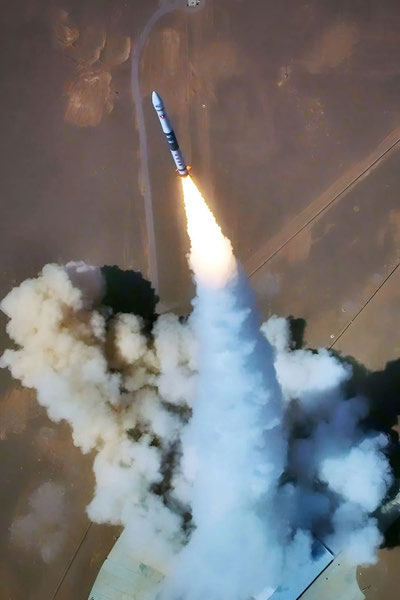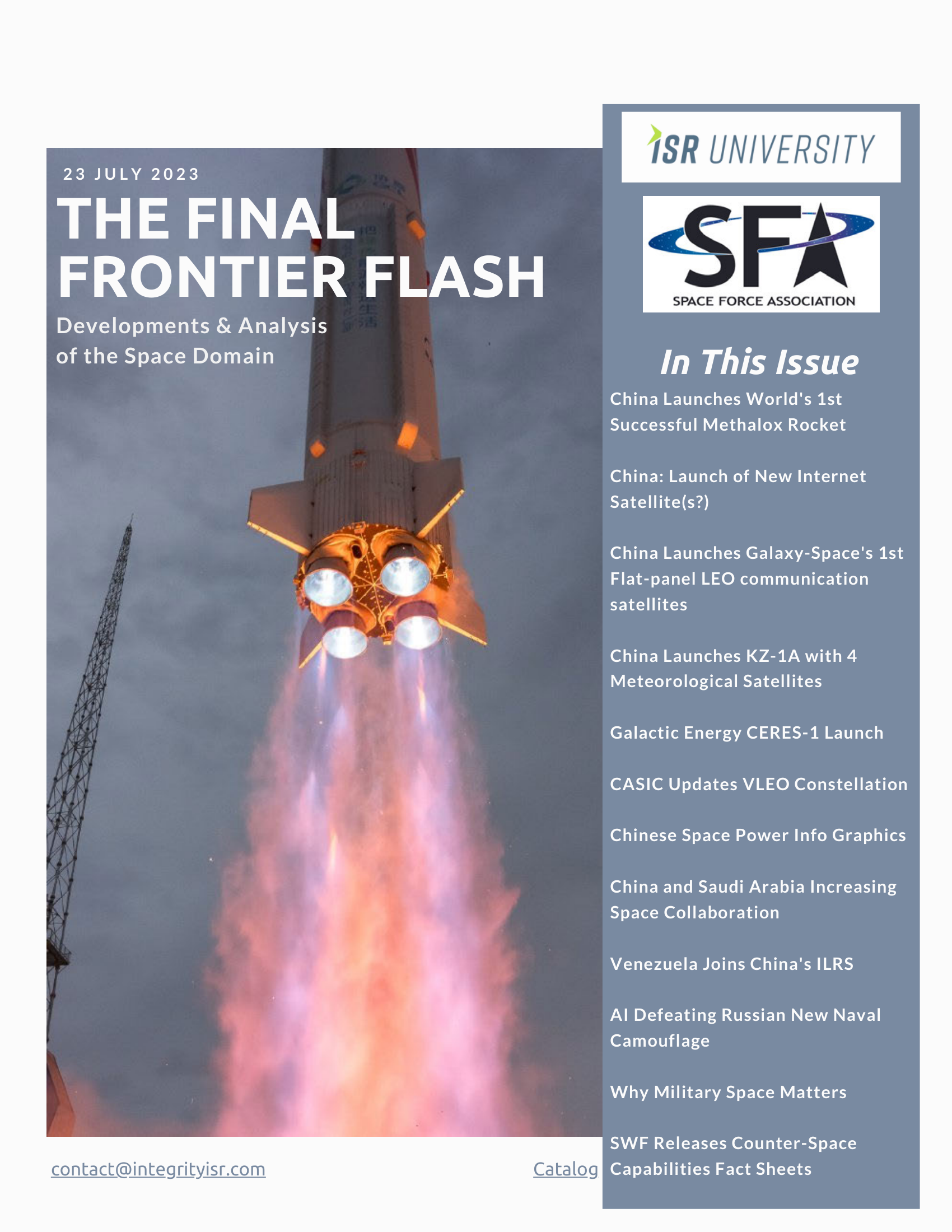
12 Jul 2023: Chinese company LandSpace launched its methane-based ZhuQue-2 rocket. This was the rocket’s second launch after its failed maiden flight in December 2022. Initial claims from the company noted a mission success, marking the first methalox rocket to reach orbit. Watch video. Watch 5min Video on Chinese commercial launch development.
– Landspace and Chinese state media announced that the second Zhuque-2 reached orbit, making it the world’s first methane-fueled rocket to do so. U.S. Space Force tracking data later verified the claim, showing an object in a 431 by 461 kilometer Sun-synchronous orbit, with an inclination of 97.3 degrees.
– The payload for this launch remains unknown. It is unclear if LandSpace integrated another payload after the initial maiden flight, or if they are flying a dummy payload for this mission.
– Zhuque-2 flew in a comparable configuration to a normal operational flight, with the payload faring in place.
– The rocket’s first stage was not recovered.
– Zhuque-2 beats a range of other methalox rockets, including SpaceX’s Starship, the ULA Vulcan, Blue Origin’s New Glenn, Rocket Lab’s Neutron and Terran R from Relativity Space, in reaching orbit. These other launch vehicles will be much larger, and feature much greater payload capacity.
-Future Zhuque-2 launches with upgraded second stage engines will be capable of delivering a 6,000-kilogram payload capacity to a 200-kilometer low Earth orbit (LEO), or 4,000 kilograms to 500-kilometer sun-synchronous orbit (SSO), according to Landspace.
-Landspace has already begun assembling its third Zhuque-2 (“Vermillion Bird-2”), indicating that another launch could come before the end of the year. Space Pioneer says it has multiple orders for launches for the Tianlong-2, and aims to launch the Falcon 9-class Tianlong-3 in the first half of 2024.
A methane-liquid oxygen propellant mix offers advantages in performance and reduces issues of soot formation and coking for purposes of reusability. According to the LandSpace website, the price of propellant was 50-90% less than similar Chinese launchers.
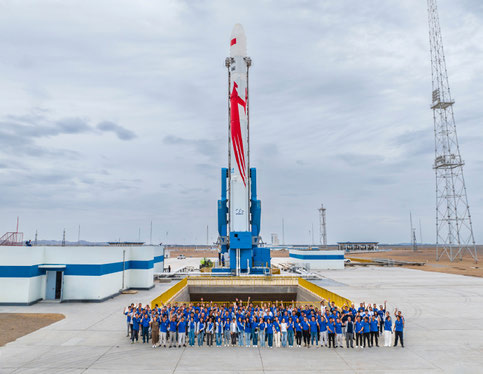
Zhuque-2 methane-fueled rocket on the launch pad with the LandSpace team
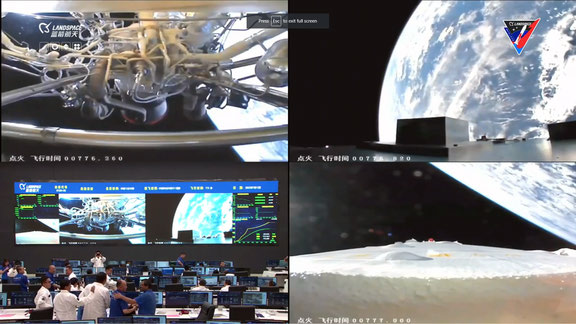
Onboard and mission-control imagery from the successful Zhuque-2 orbital flight
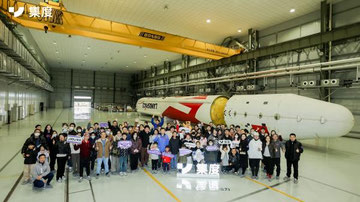
LandSpace team with another Zhuque-2 rocket under assembly