17 Jan 2023: China’s state-owned and commercial space sector actors are planning a total of
more than 70 launches across 2023 as the country’s space activities continue to expand.
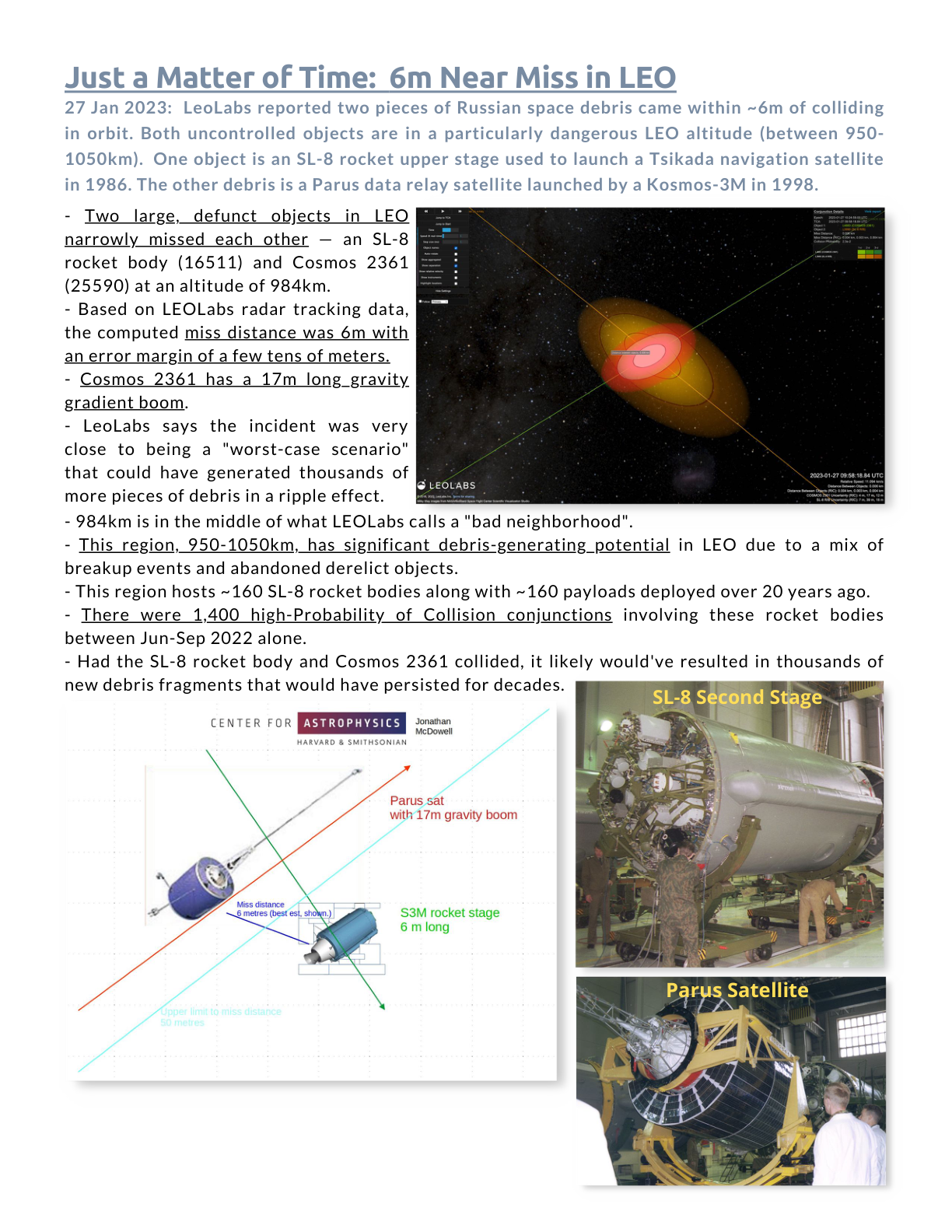
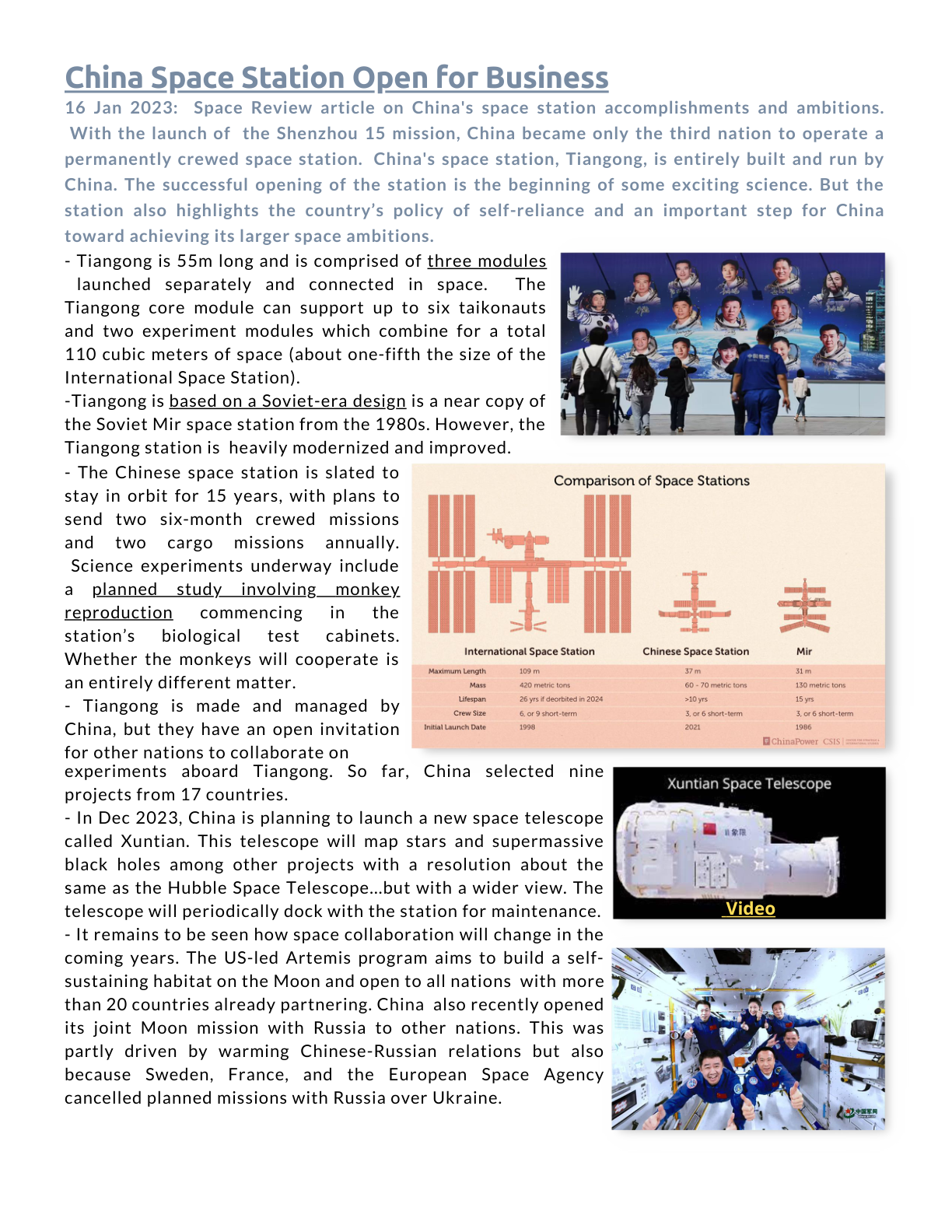
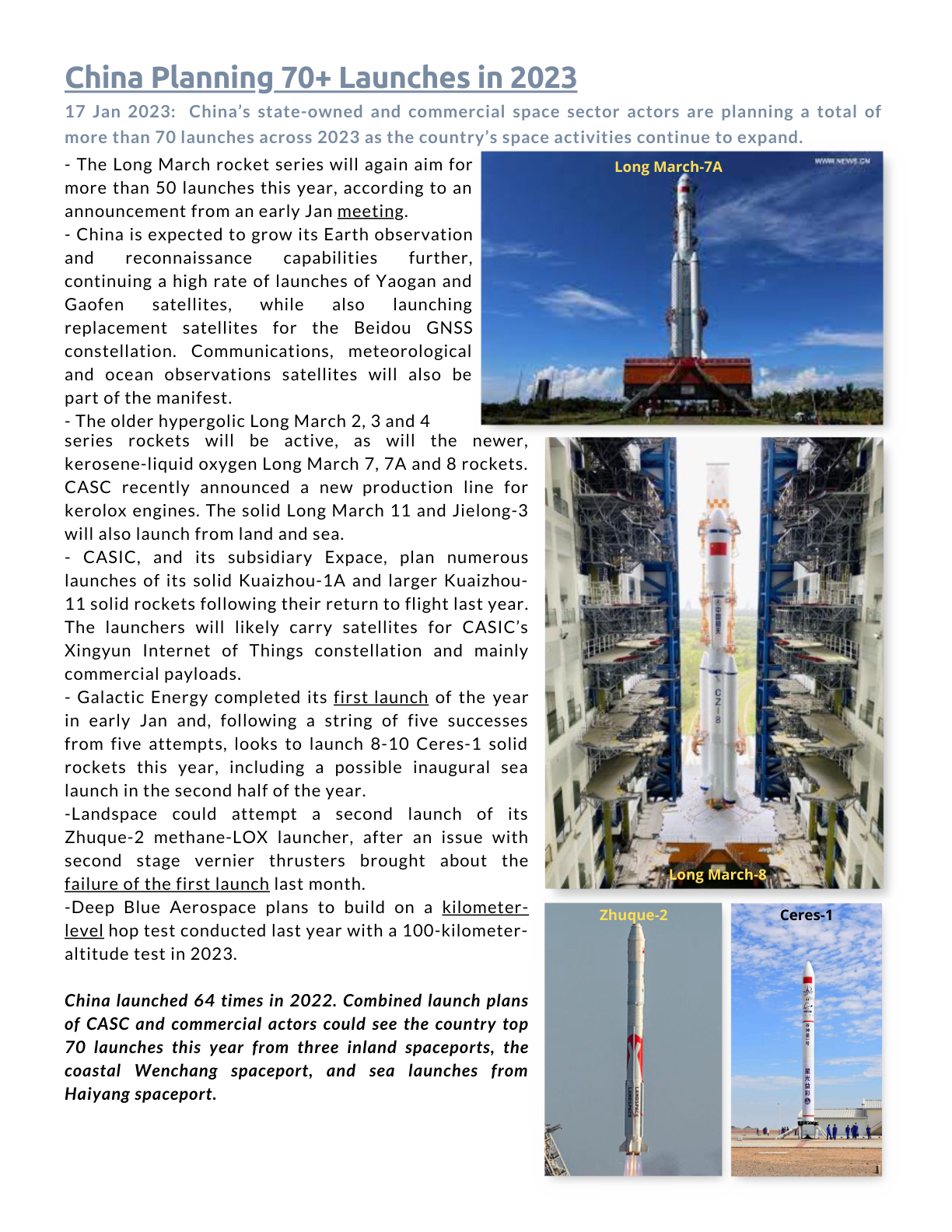
– The Long March rocket series will again aim for more than 50 launches this year, according to an announcement from an early Jan meeting. – China is expected to grow its Earth observation and reconnaissance capabilities further, continuing a high rate of launches of Yaogan and Gaofen satellites, while also launching replacement satellites for the Beidou GNSS constellation. Communications, meteorological and ocean observations satellites will also be part of the manifest. – The older hypergolic Long March 2, 3 and 4
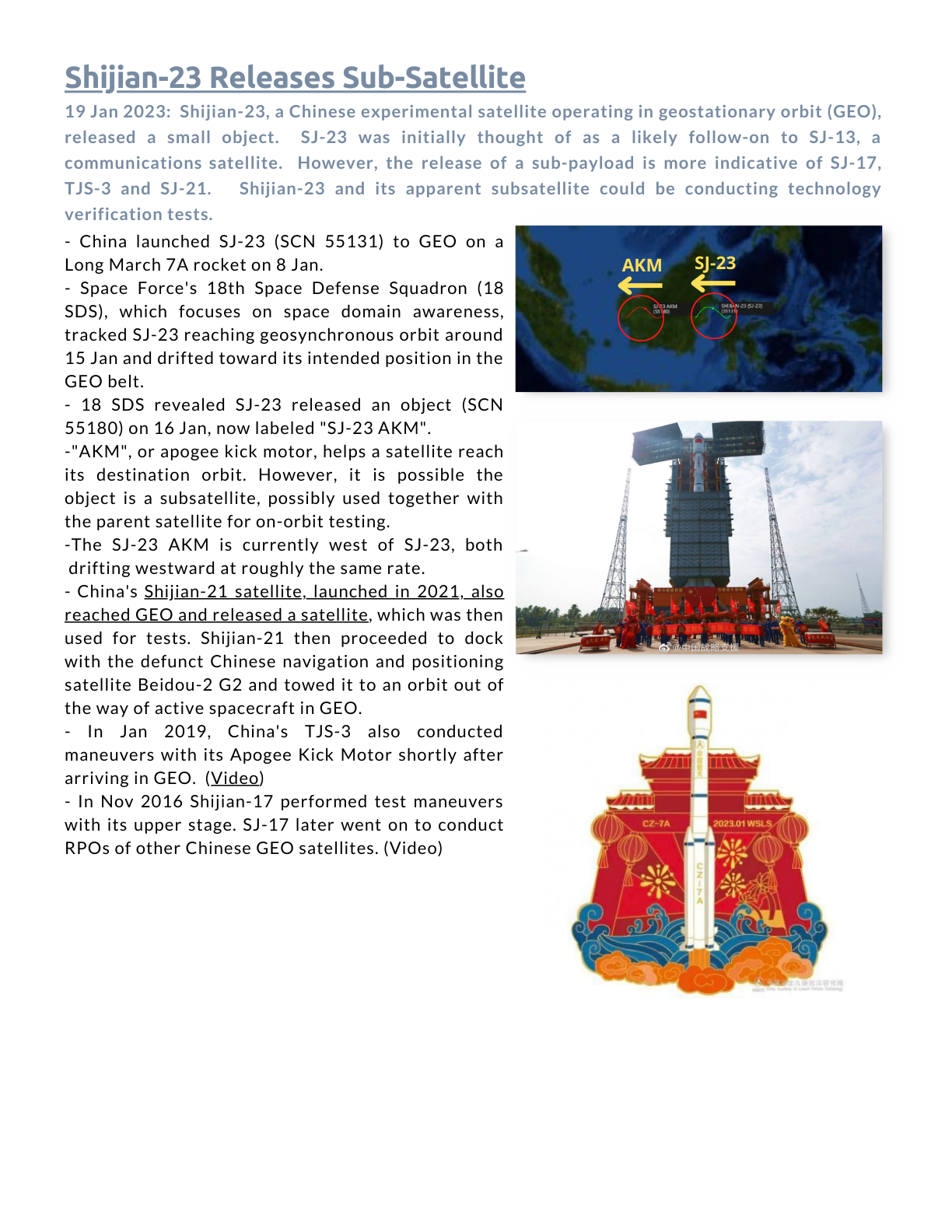
Long March-7A
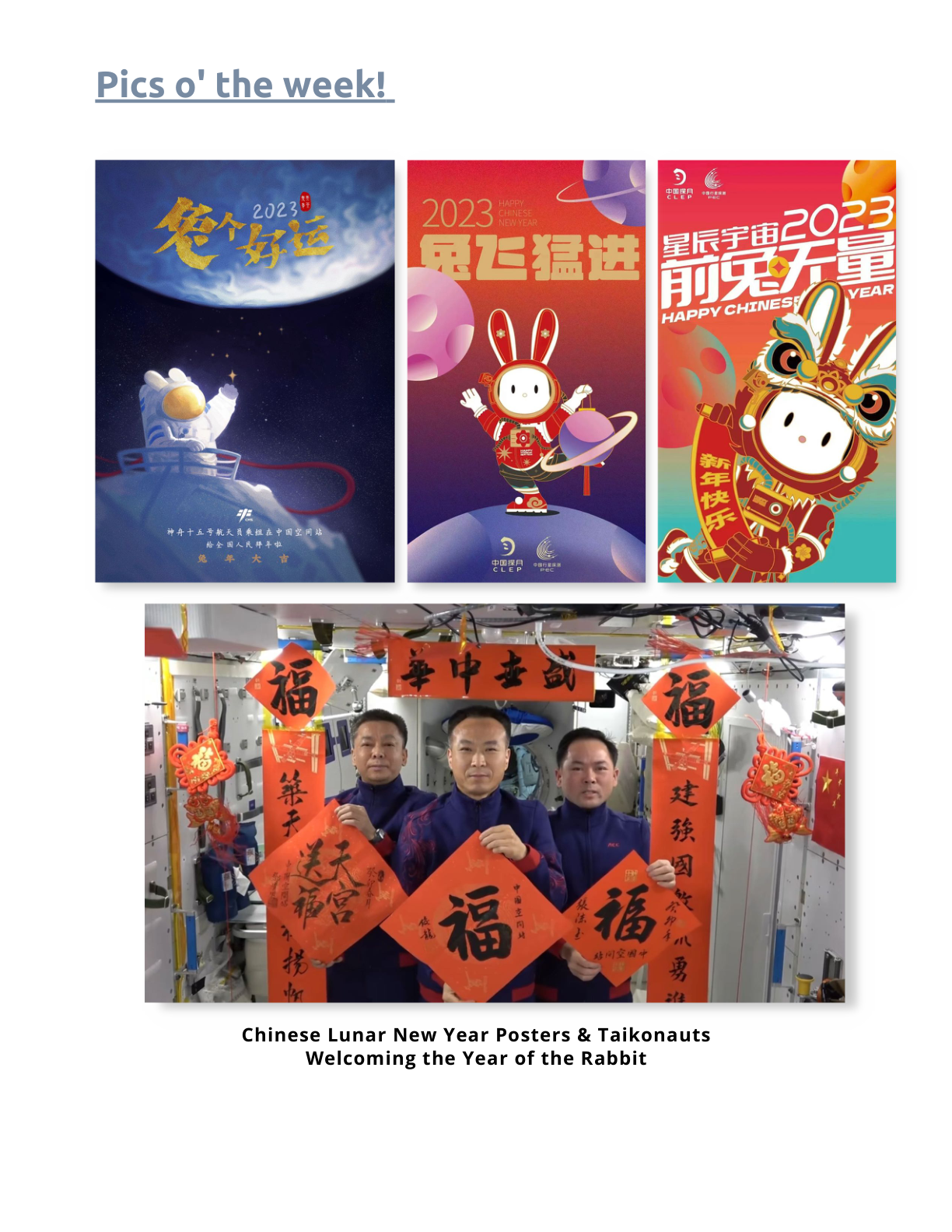
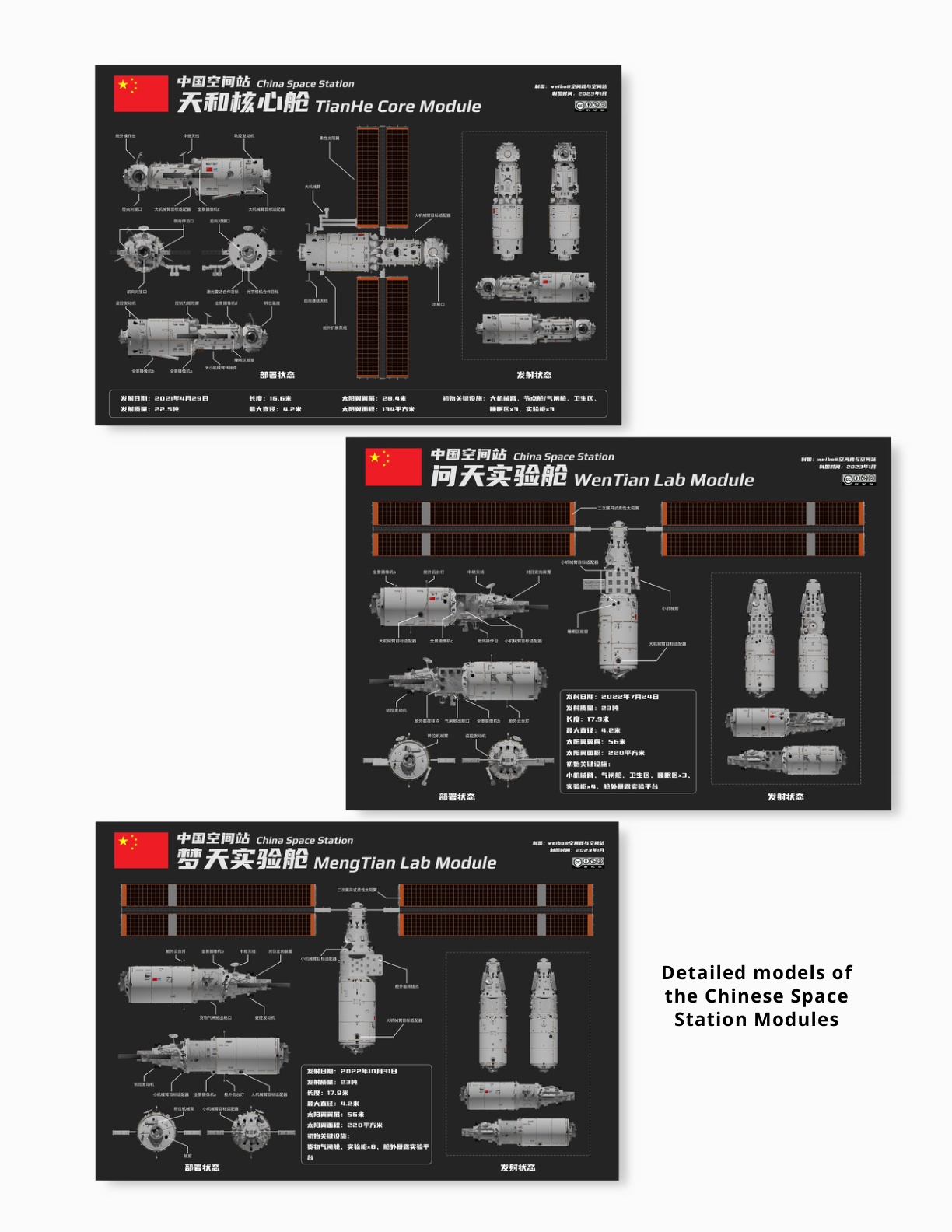
series rockets will be active, as will the newer, kerosene-liquid oxygen Long March 7, 7A and 8 rockets. CASC recently announced a new production line for kerolox engines. The solid Long March 11 and Jielong-3 will also launch from land and sea. – CASIC, and its subsidiary Expace, plan numerous launches of its solid Kuaizhou-1A and larger Kuaizhou- 11 solid rockets following their return to flight last year. The launchers will likely carry satellites for CASIC’s Xingyun Internet of Things constellation and mainly commercial payloads. – Galactic Energy completed its first launch of the year in early Jan and, following a string of five successes from five attempts, looks to launch 8-10 Ceres-1 solid rockets this year, including a possible inaugural sea launch in the second half of the year. -Landspace could attempt a second launch of its Zhuque-2 methane-LOX launcher, after an issue with second stage vernier thrusters brought about the failure of the first launch last month. -Deep Blue Aerospace plans to build on a kilometer- level hop test conducted last year with a 100-kilometer- altitude test in 2023.
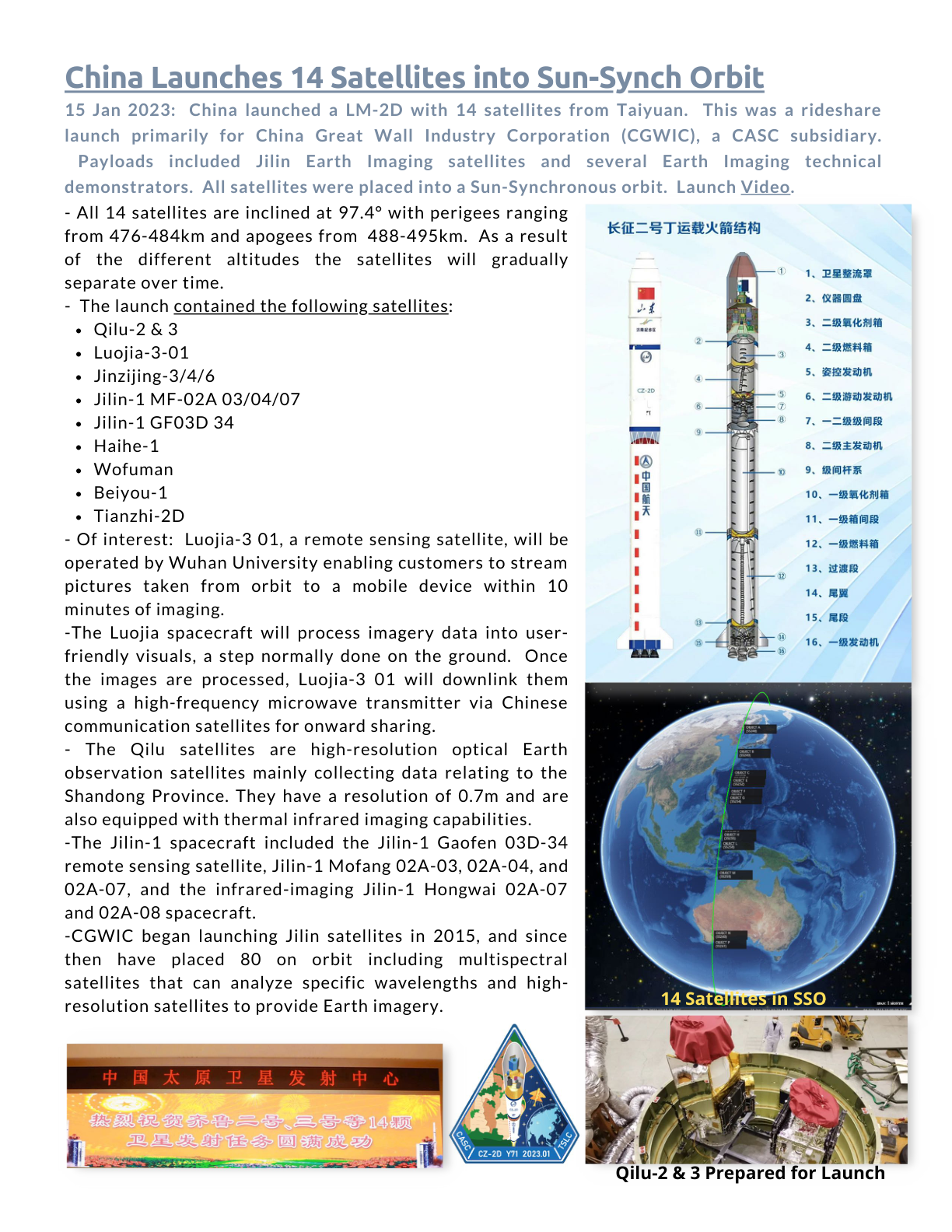
Long March-8
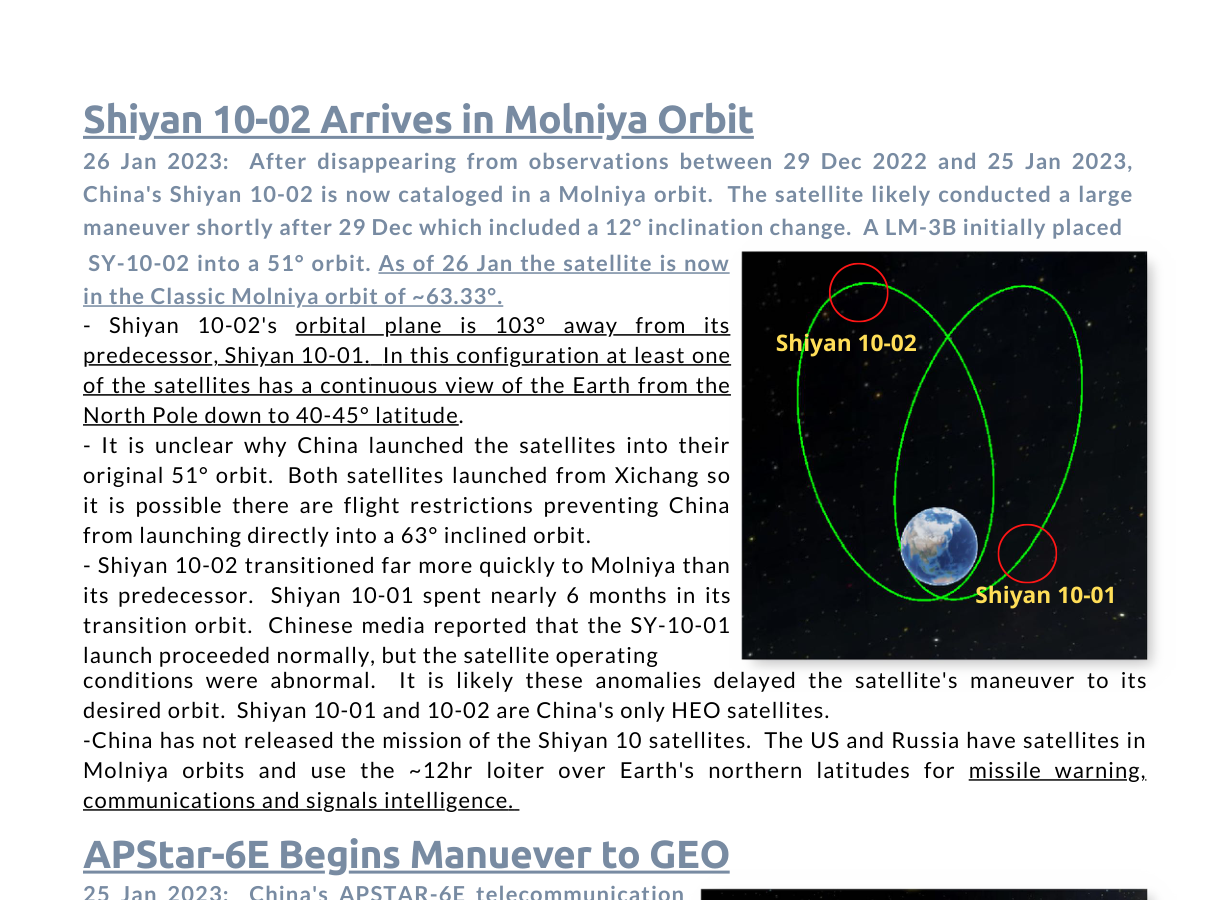
Zhuque-2
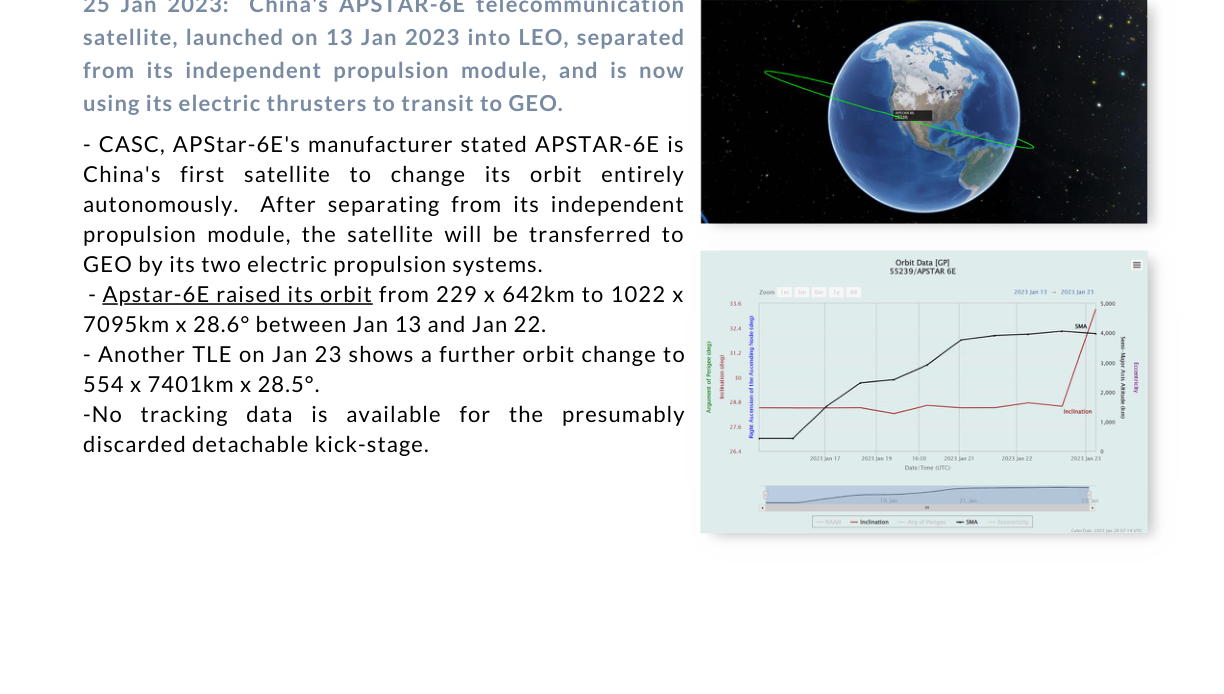
Ceres-1
China launched 64 times in 2022. Combined launch plans of CASC and commercial actors could see the country top 70 launches this year from three inland spaceports, the coastal Wenchang spaceport, and sea launches from Haiyang spaceport.
Original PDF links: Source 1 · Source 2 · Source 3 · Source 4 · Source 5 · Source 6 · Source 7 · Source 8 · Source 9