6 May 2023: CNN report details Russian Electronic Warfare, specifically GPS Jamming, effects on the accuracy of the 83km range HIMARS rocket system. One drone pilot on the Eastern front described the jamming of the mobile HIMARS as “significant,” and something he hadn’t seen in his area before last November, several months after the HIMARS first arrived in Ukraine at the beginning of the summer.
– Russia has been thwarting US-made mobile rocket systems in Ukraine more frequently in recent months, using electronic jammers to throw off its GPS guided targeting system to cause rockets to miss their targets.
– Ukrainian military officials, with US assistance, have had to come up with a variety of different workarounds
– Ukraine has received 18 American HIMARS to date and the US has committed to sending 20 more. Other NATO allies have donated 10 Multiple Launch Rocket Systems, according to the State Department.
– The US has also helped the Ukrainians locate the Russian jammers and destroy them — a “high priority” effort, according to a secret Pentagon document that was part of a trove allegedly leaked by Airman Jack Teixeira. “We will continue to advocate/recommend that those jammers are disrupted/destroyed,” the document says, “to the maximum extent possible.”
– GPS jamming can affect other “smart” US munitions like the precision-guided Excalibur artillery shells fired from Howitzers and air-dropped bombs called JDAMs.
– Four of nine extended-range JDAMs used by Ukraine missed hitting Russian targets, possibly due to jamming.
– Depending on the location and strength of the jamming, a rocket can still successfully hit with significant damage. In addition to GPS guidance, the rockets have inertial navigation systems that are not susceptible and remain accurate, though not as precise as when guided by GPS coordinates.
– As of Feb 2023, Ukraine had expended approximately 9,500 HIMARS rockets.
– Russia’s use of electronic warfare has not been nearly as widespread as expected but they have made use of it since the beginning of the war.
-With Russian units largely stalled on the Ukrainian frontlines and stuck in defensive positions, Russian forces have made increasing use of their jamming systems to counteract the HIMARS.
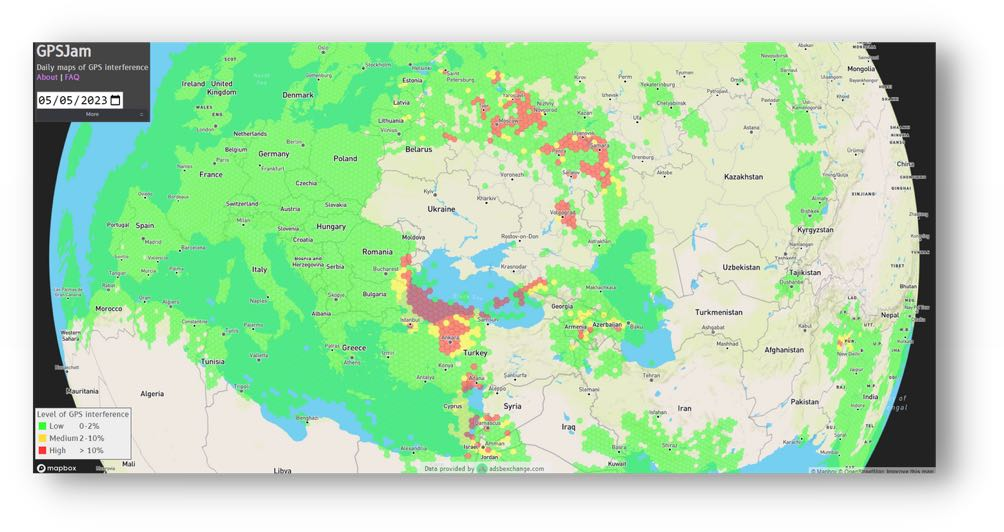
-More broadly, Russia has been employing GPS jamming more frequently in its own cities, likely as a result of successful long range Ukrainian attacks. GPS issues were first spotted by the monitoring system GPSJam, which uses data from planes to track problems with the satellite navigation system.
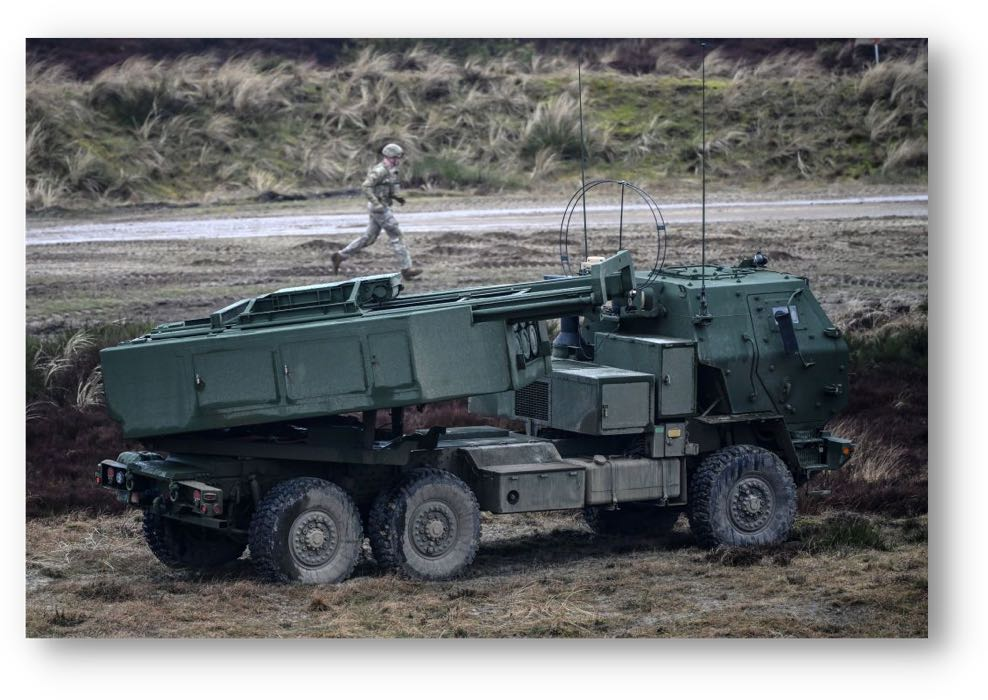
HIMARS in Field Training Exercise.
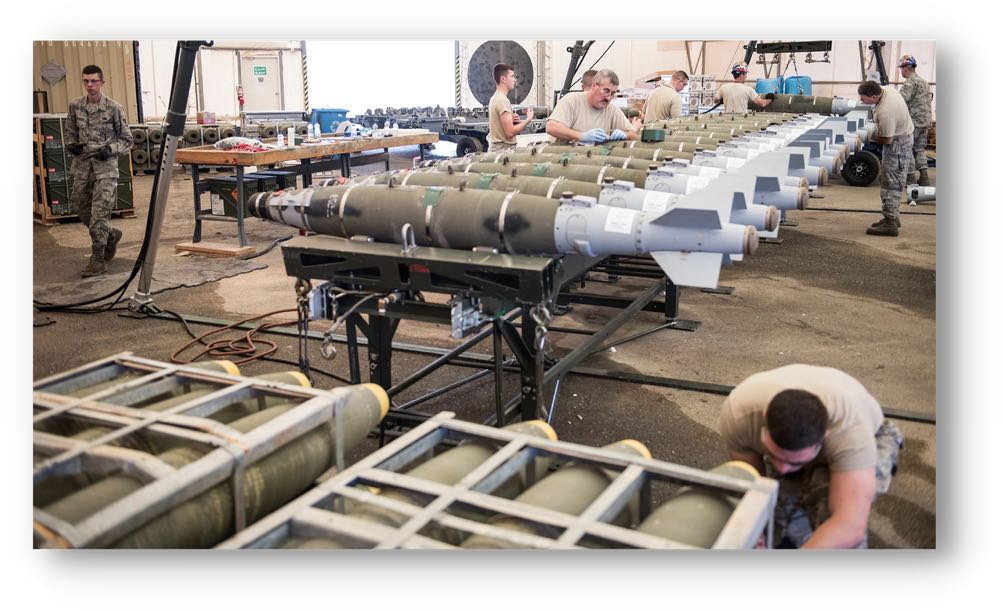
JDAM assembly.