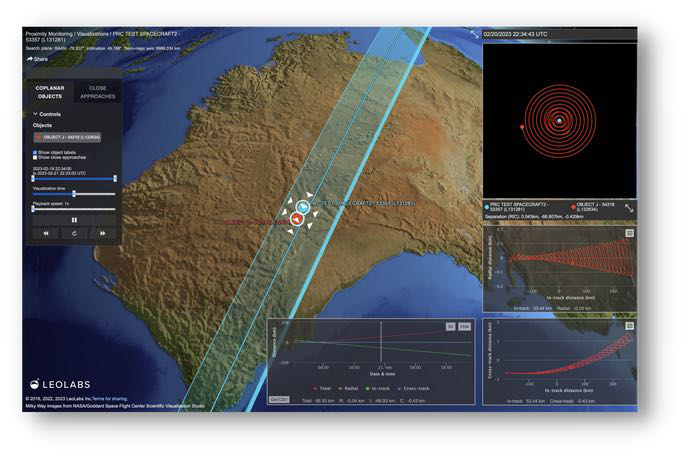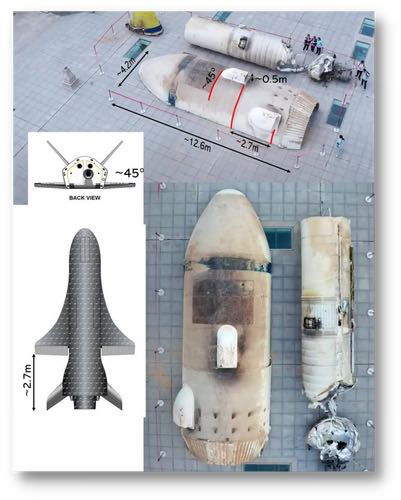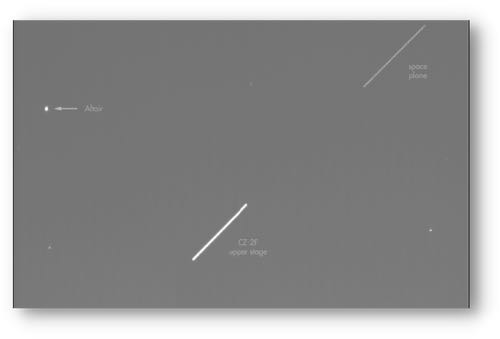
7 May 2023: Chinese researcher stated USSF’s GSSAP satellites repeatedly approached some of China’s satellites in geostationary orbit in 2020-21. The study suggests China hasten development of a situational awareness network integrating space and ground-based sensors.
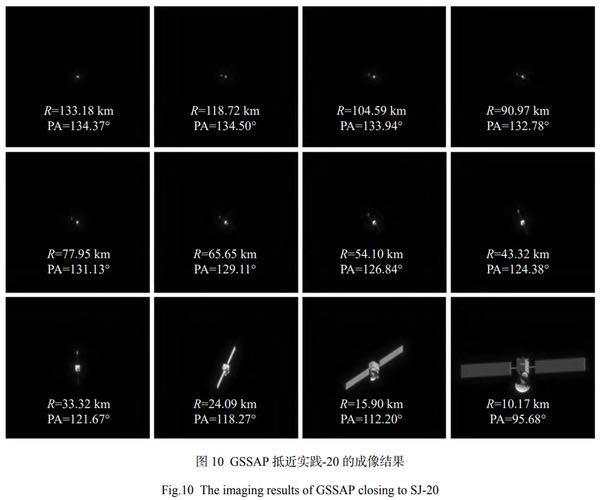
– According to the study, from Feb 2020 to Dec 2021 the USSF’s Geosynchronous Space Situational Awareness Program (GSSAP) satellites repeatedly approached some of China’s most valuable and advanced satellites in the geostationary orbit (GEO) and came alarmingly close.
– The authors allege a GSSAP satellite conducted a fly-around targeting Tianlian 2-01, a satellite that is part of China’s Tianlian space tracking and data relay system on February 26, 2020,.
– Two days later, the same satellite approached BD-2 G8, a satellite in the BeiDou Navigational System (BDS), according to the report.
– Different GSSAP satellites approached SJ-20 four
times over an 11-month period. In the closest encounter on 4 May 2021, the Chinese and US satellites came within a record 9.54km (5.9 miles), the study said.
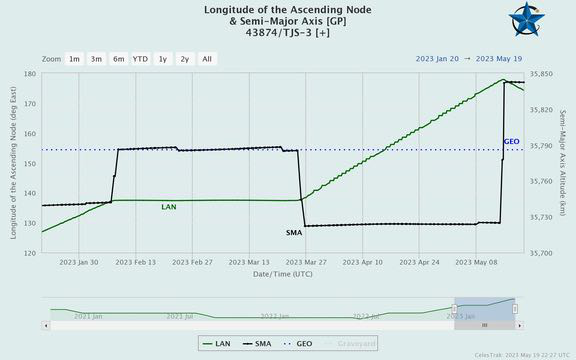
– The study also alleges US satellites spied on other Chinese targets, including TJS-2, TJS-3, and TJS-5, which are part of China’s Tongxin Jishu Shiyan (TJS) experimental communications satellite series.
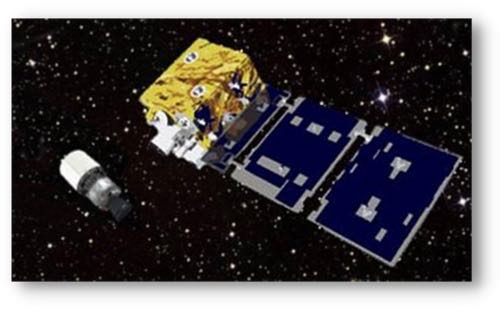
-GSSAP satellites are equipped with high-resolution optical cameras and advanced electronic surveillance equipment that allow them to take pictures and listen in on radio signals from other satellites, according to the Chinese study.
– The GSSAP satellites use the position of the sun relative to the target satellite and the observer to determine their approach strategy. It would be favorable for GSSAP satellites when the target satellite is in the “down-light observation area”, meaning the sun is behind the GSSAP satellite and shining directly on the target satellite. This allows for better imaging and reduces interference from scattered light.
-The Chinese study said the US spy satellites usually chose to approach their targets from a favorable position.
– As a GSSAP spy satellite approached the SJ-20 satellite in 2021, another Chinese satellite moved into a favorable position to closely examine the US satellite, according to news reports.
-The report estimated GSSAP camera resolution is ~1.3cm from a 10km distance.
– The two newest GSSAP satellites launched in 2022 might have major optics upgrades that afforded them new abilities, such as making observations from an unfavorable position, they added.
The study said through a sequence of tests focused on space attack and defense technologies, the US military has unmistakably demonstrated both their capability and intent to interfere with China’s use of space. “Due to the intense competition for space security in high orbits, it is urgent for China to research and develop key technologies, such as high-precision rendezvous and proximity operations, real-time orbit anomaly detection, target characterization under complex lighting conditions, and multi-mode active protection”.