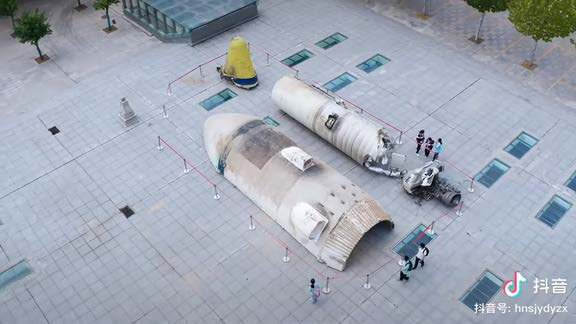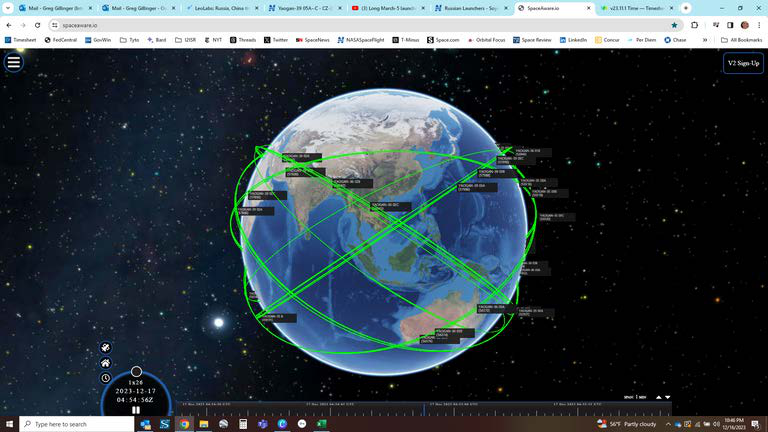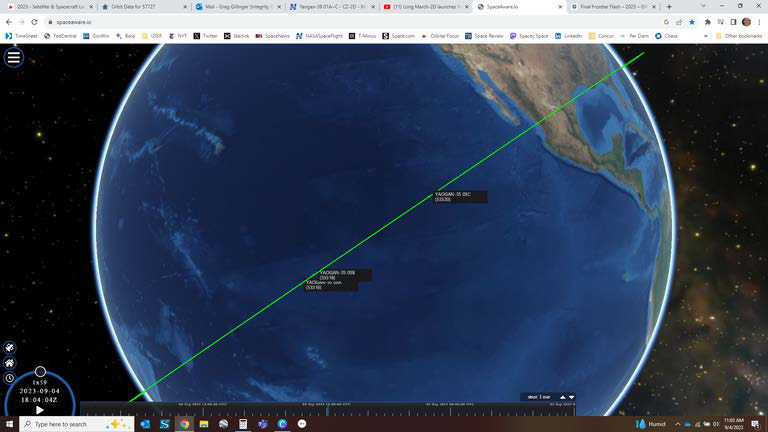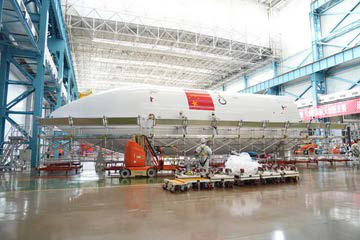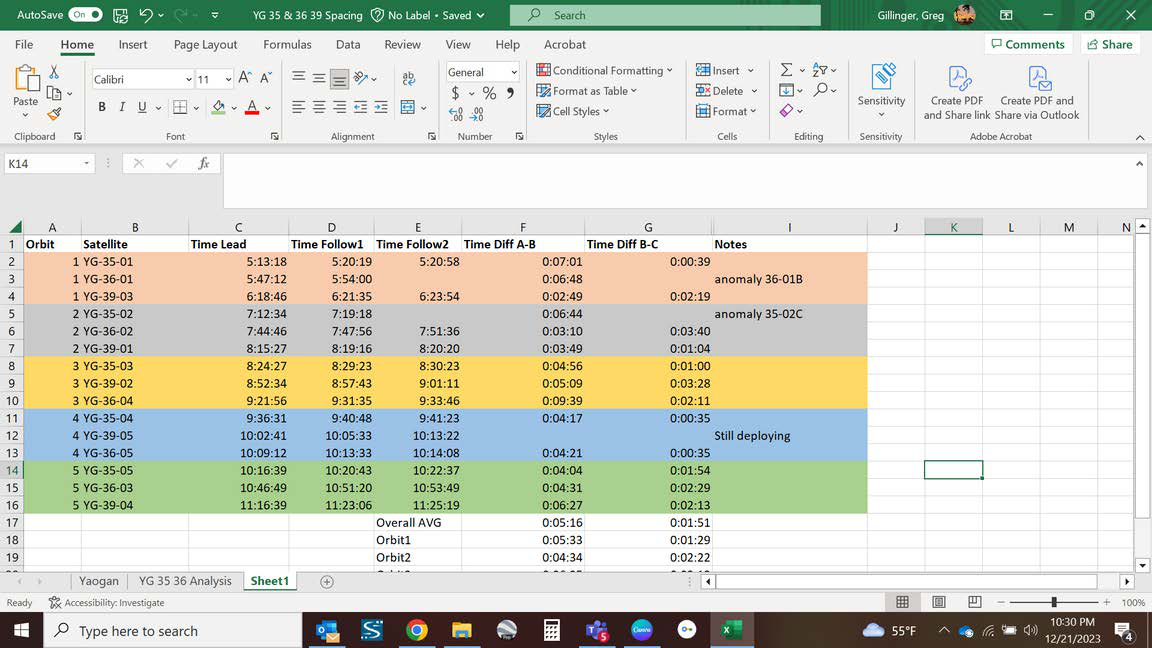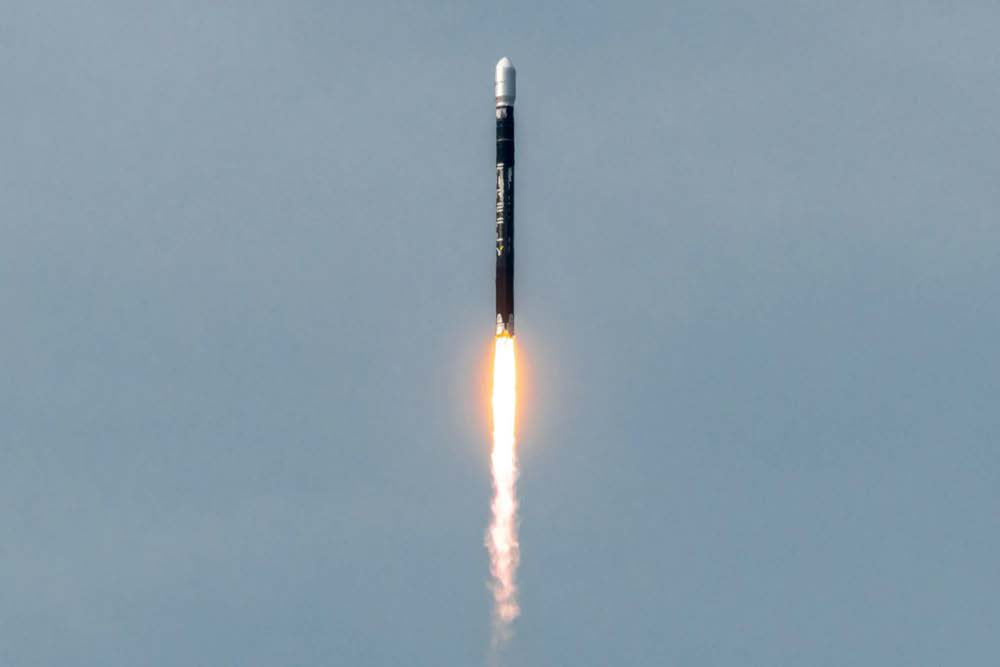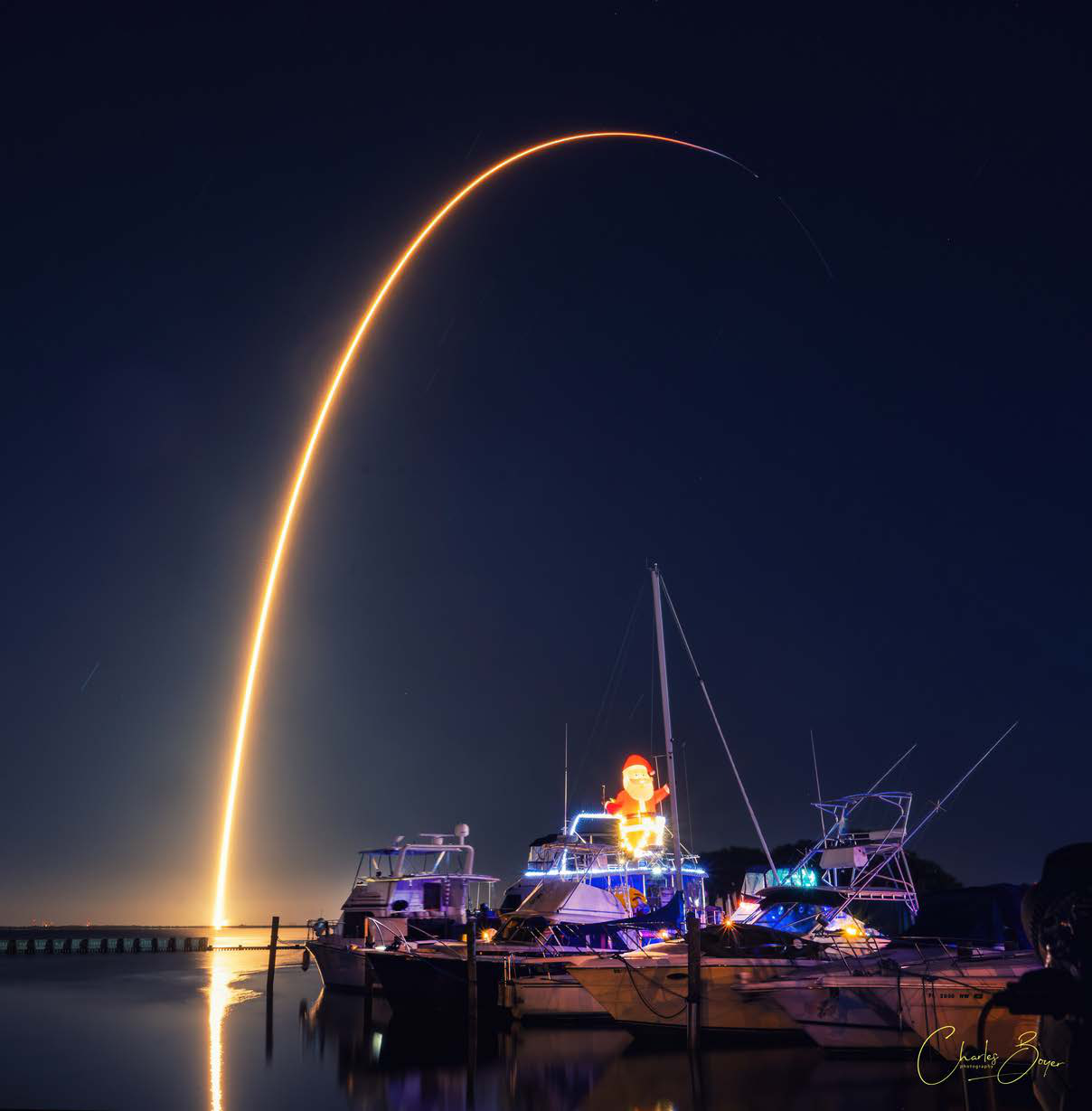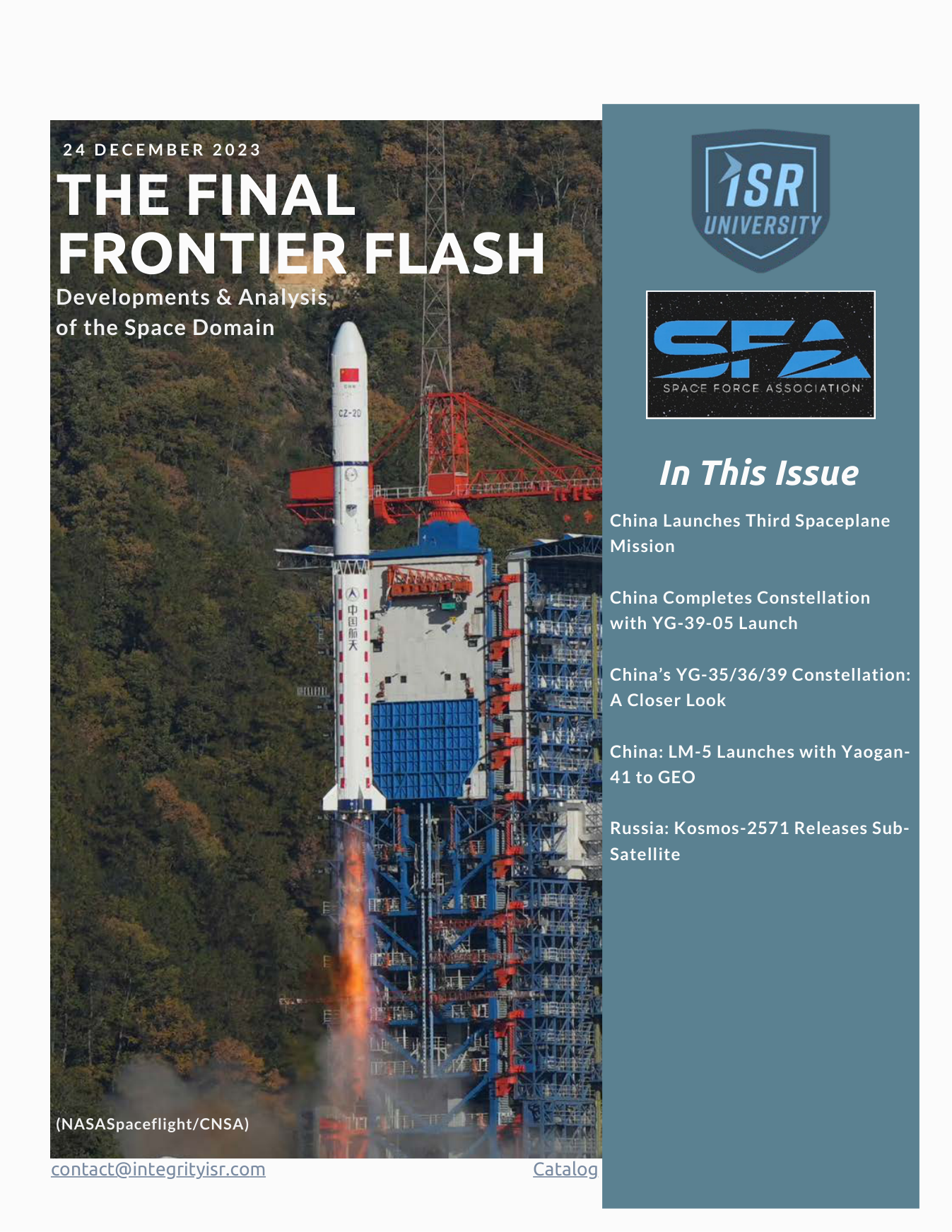
14 Dec 2023: China launched its Shenlong (Divine Dragon) spaceplane using a LM-2F from Xichang. The winged vehicle reached a 332.9 x 347.9 km orbit, with a 49.99° inclination. There was speculation Shenlong released up to six objects, and that some of these were transmitting radio signals. This has not been confirmed, and other observers have noted the standard LM-2F launch typically generates six objects: payload, rocket stage and four fragments, with expected deviations in height/period and inclination – usually described as solid motor cover separation. No Launch Video released, however there is an amazing
Tiktok video showing the retrieval and display of the
1st Test Flight fairing.
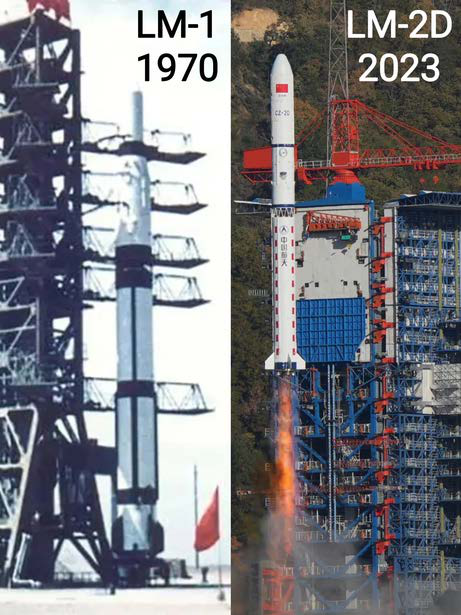
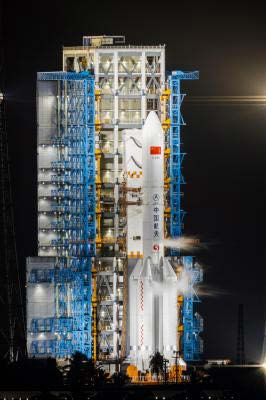
– China has revealed no details of its experimental reusable spacecraft project, nor have they published any launch images. The suspected spaceplane is launched vertically on a Long March 2F, the rocket used to launch China’s Shenzhou crewed missions.
– According to China’s official announcement, the spaceplane will be used to conduct verifications of reusable technologies and space science experiments, to provide technical support for the peaceful use of space.
– Analysts expect the spaceplane’s flight duration will be a few months, before returning to Earth.
– This is the third mission for the spacecraft. The first of its previous missions started in September 2020, with a duration of two days, while its second was a 276-day mission between August 2022 and May 2023.
– These previous missions included deploying satellites into orbit, and may have involved scientific and other experiments. Further, the spacecraft performed numerous small and much larger orbital maneuvers during its second flight. This third flight will likely have a different scope, and seek to further test the spacecraft’s capabilities.
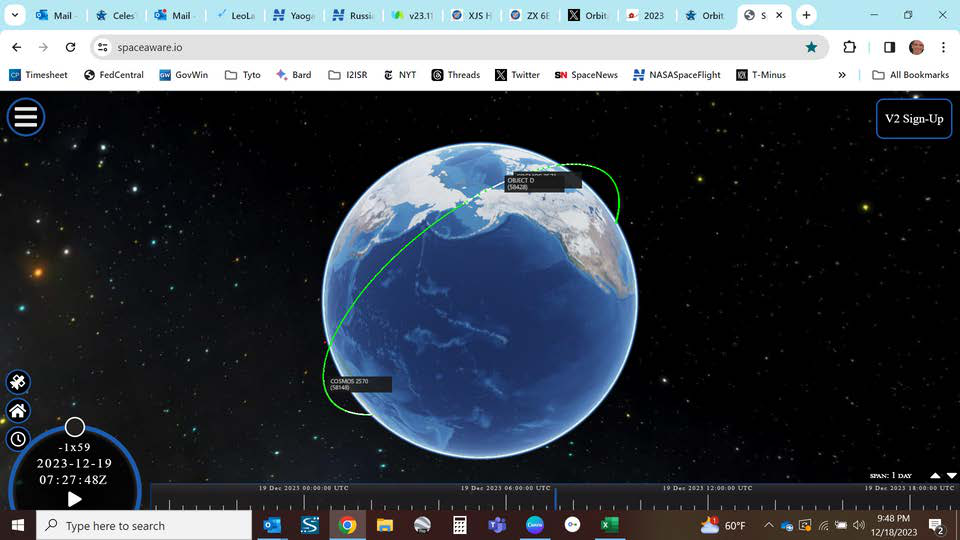
– The six objects have been designated as either a rocket body or debris in the public space catalog.
– According to satellite tracker and amateur astronomer Scott Tilley, OBJECT A appears to be emitting signals reminiscent of those emitted by objects that China’s space plane released on previous missions.
The development of reusable spacecraft technology is part of China’s broader strategy to become a major spacefaring nation. Chinese President Xi Jinping has set a national goal for China to become a powerful aerospace country. Xi also noted the space industry to be a critical element of overall national strategy.

(nkknspace via X)
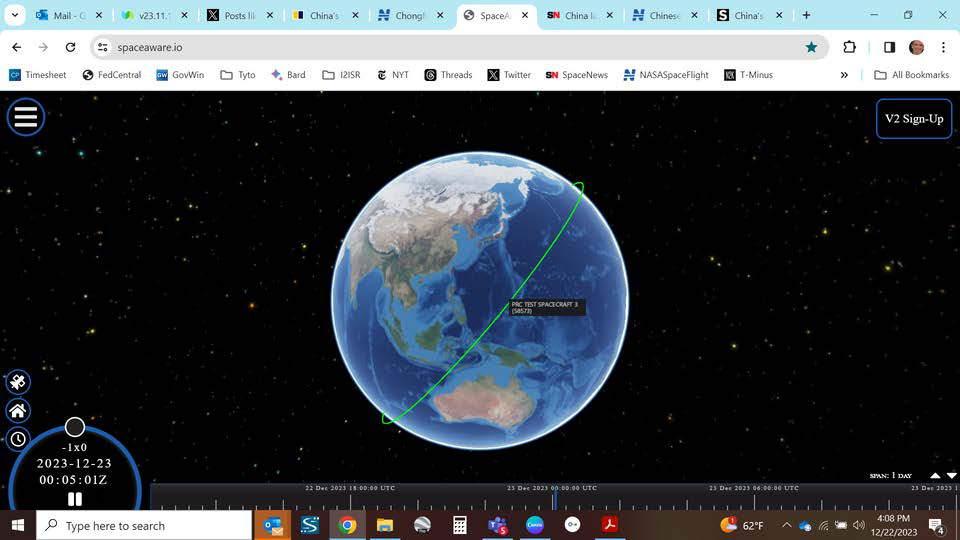
Orbit of PRC Test Spacecraft3 (58573)