Issue 56

China: Lunar Ambitions

6 Sep 2022: While NASA prepared to launch the uncrewed Artemis mission, China is progressing on its own step-by-step program to put both robotic and, eventually, crewed spacecraft on the lunar surface to keep pace with NASA-led achievements. - China is planning ambitious sample-return missions, landings at the lunar…

6 Sep 2022: While NASA prepared to launch the uncrewed Artemis mission, China is progressing on its own step-by-step program to put both robotic and, eventually, crewed spacecraft on the lunar surface to keep pace with NASA-led achievements.

– China is planning ambitious sample-return missions, landings at the lunar south pole, testing the ability to 3D print using materials from regolith, and sending astronauts on a short-term lunar visit before the end of the decade.

– China’s next lunar mission is Chang’e-6 and is scheduled for 2024: an unprecedented attempt to collect rock samples from the far side of the Moon.

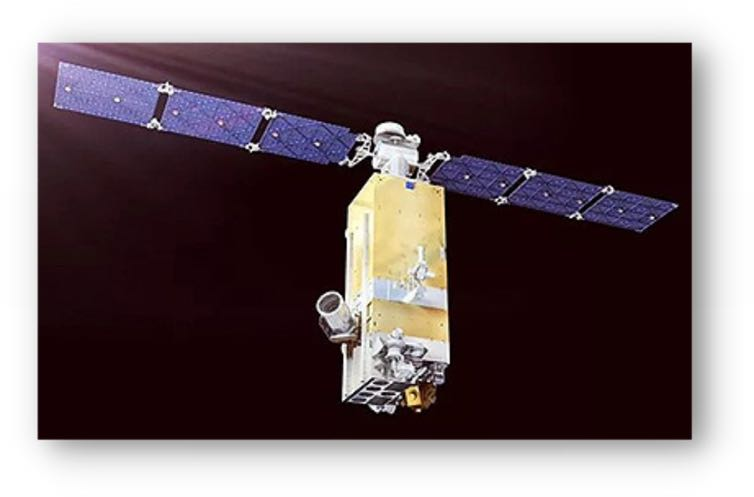
– The Chang’e-6 mission builds on China’s 2019 mission in which it became the first country to safely land a spacecraft on the far side of the moon. The mission was made possible by a relay satellite out beyond the Moon at Earth-Moon Lagrange point 2, where it can bounce signals between Chang’e-4 and ground stations in China.

– In 2020, Chang’e-5 performed the first sampling of lunar material in over four decades. The four-spacecraft mission used an orbiter, lander, ascent vehicle, and return capsule to successfully deliver 1.731 grams of lunar rocks to Earth. The automated rendezvous and docking in lunar orbit of the orbiter and ascent spacecraft was seen as a technology test for getting astronauts off the Moon and back to Earth.

– Chang’e-6 will attempt to collect new samples, this time from the South pole-Aitken basin, a massive and ancient impact crater on the far side of the moon.

Chang’e-7, also scheduled for 2024, will also target the lunar south pole, a region where NASA’s Artemis 3 crewed mission is looking to land.

– The mission will involve a flotilla of spacecraft, including a new relay satellite, an orbiter, lander, rover, and a small “hopping spacecraft designed to inspect permanently

shadowed craters which are thought to contain water ice.

Chang’e-8 is expected to launch around 2027 to test in situ resource utilization and conduct other experiments and technology tests including oxygen extraction and 3D printing related to building a permanent lunar base.

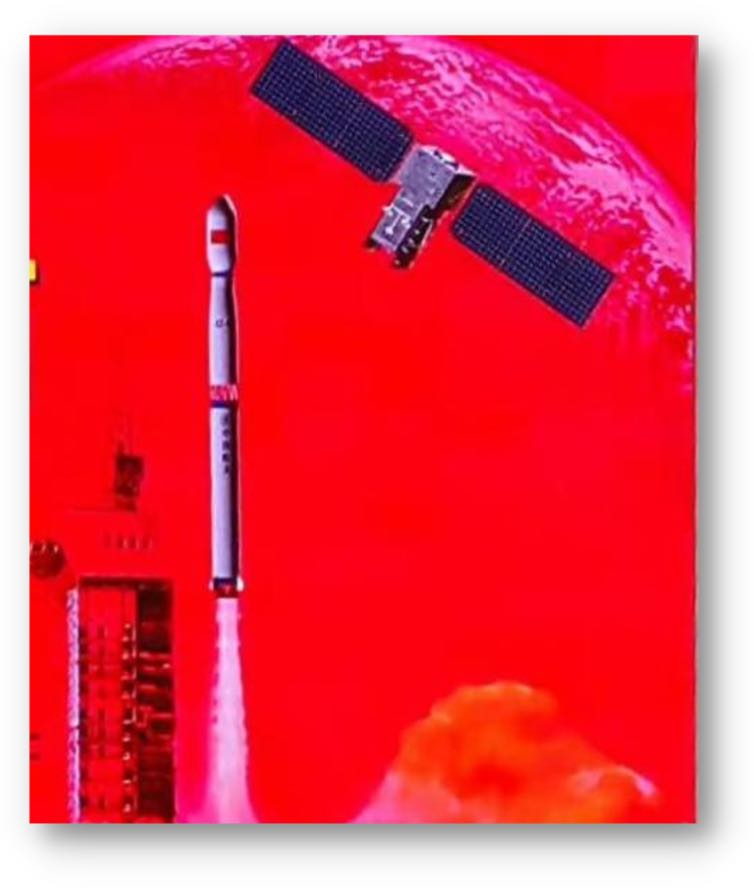
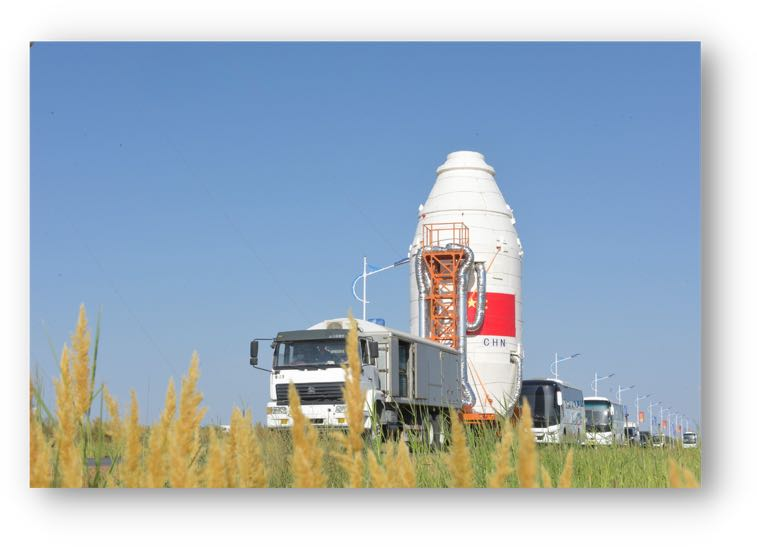
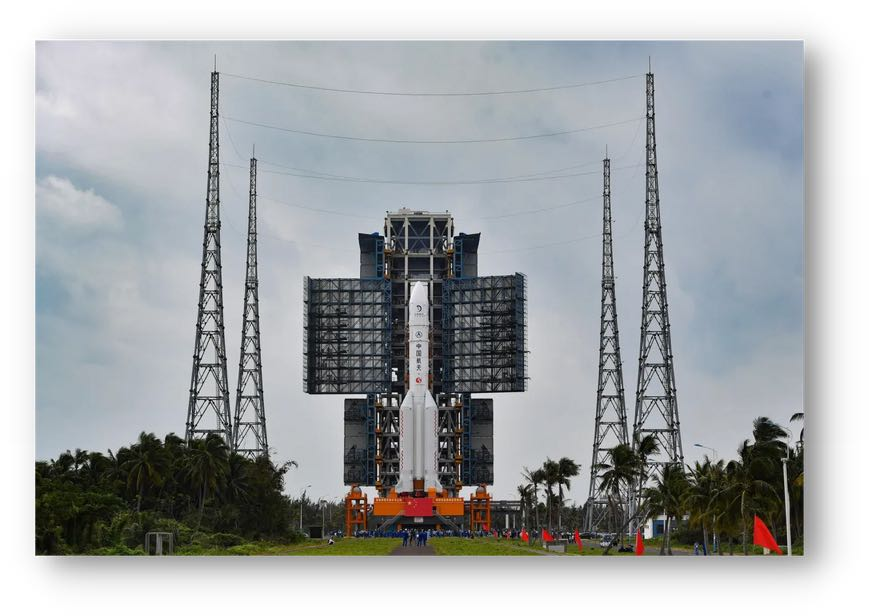
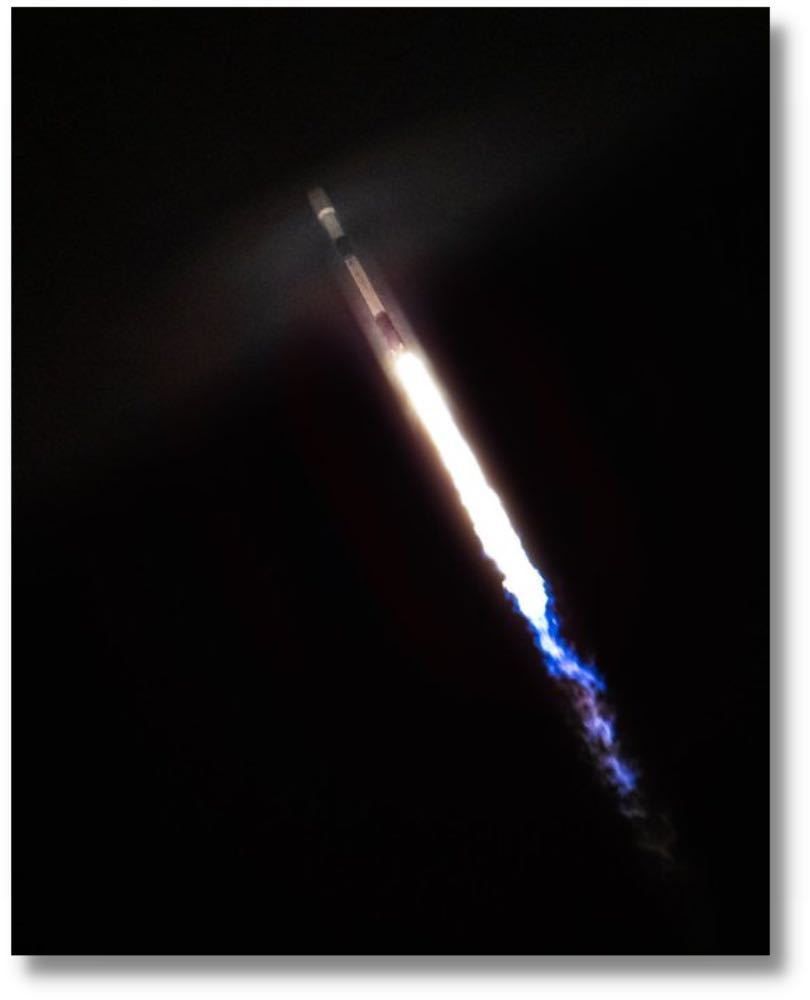
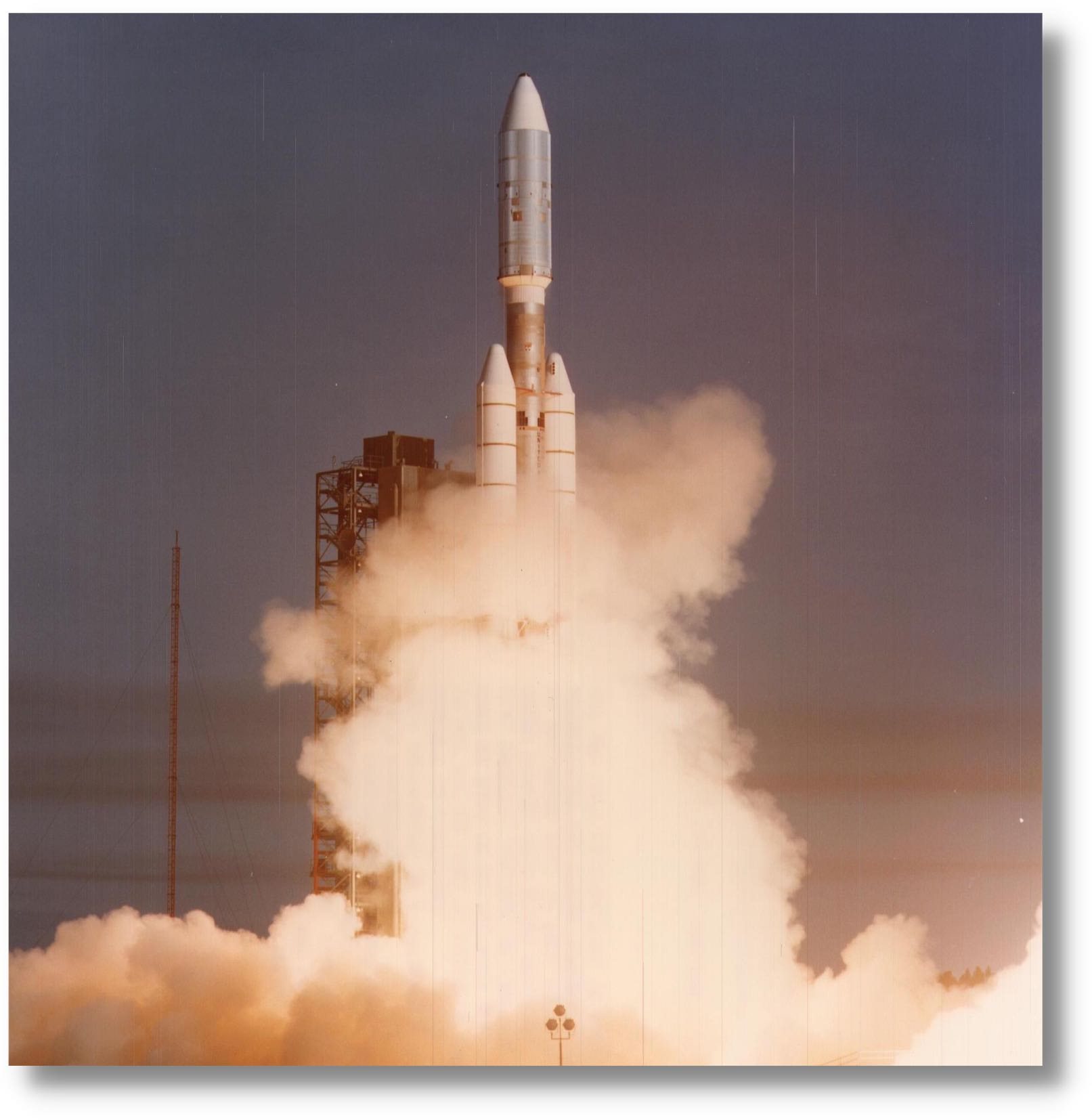
– The near-term Chang’e missions are expected to launch on China’s largest current rocket, the Long March 5.

– China is also developing a “new generation crew launch vehicle” that will essentially bundle three Long March 5 core stages together while improving the performance of its kerosene engines. The result will be a roughly 90-meter-tall rocket resembling a Long March version of SpaceX’s Falcon Heavy – capable of sending 27 tons of payload into translunar injection.

– Further down the road, China is looking to the Long March 9, an SLS-class rocket capable of sending 50 tons into translunar injection.

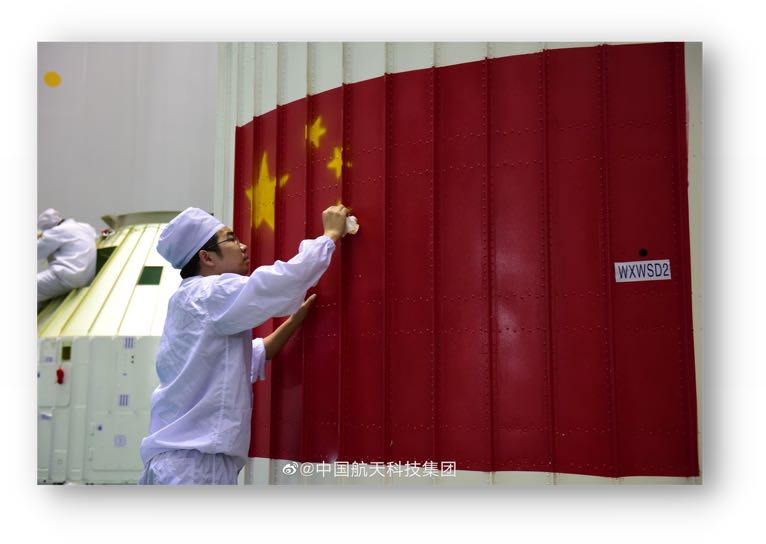
Long March 5

Relay communications for China’s far-side lunar missions

South Pole-Aitken Basin, with arrow pointing to a NASA-proposed landing site