Issue 56

Jack’s Astro Corner: Applying your Orbital Element Knowledge

So now that you are all amped up and knowledgeable on the Classical Orbital Elements and are “bustin a move” doing the Orbit Dance, I thought I'd talk about the Two-Line Element Set, or TLE. This is a term you will hear a lot! I created a colorful aide to help you unravel the TLE (see next page). The TLE is two lines…

So now that you are all amped up and knowledgeable on the Classical Orbital Elements and are “bustin a move” doing the Orbit Dance, I thought I’d talk about the Two-Line Element Set, or TLE. This is a term you will hear a lot! I created a colorful aide to help you unravel the TLE (see next page). The TLE is two lines of numbers that include the epoch time, orbit elements and other helpful information.

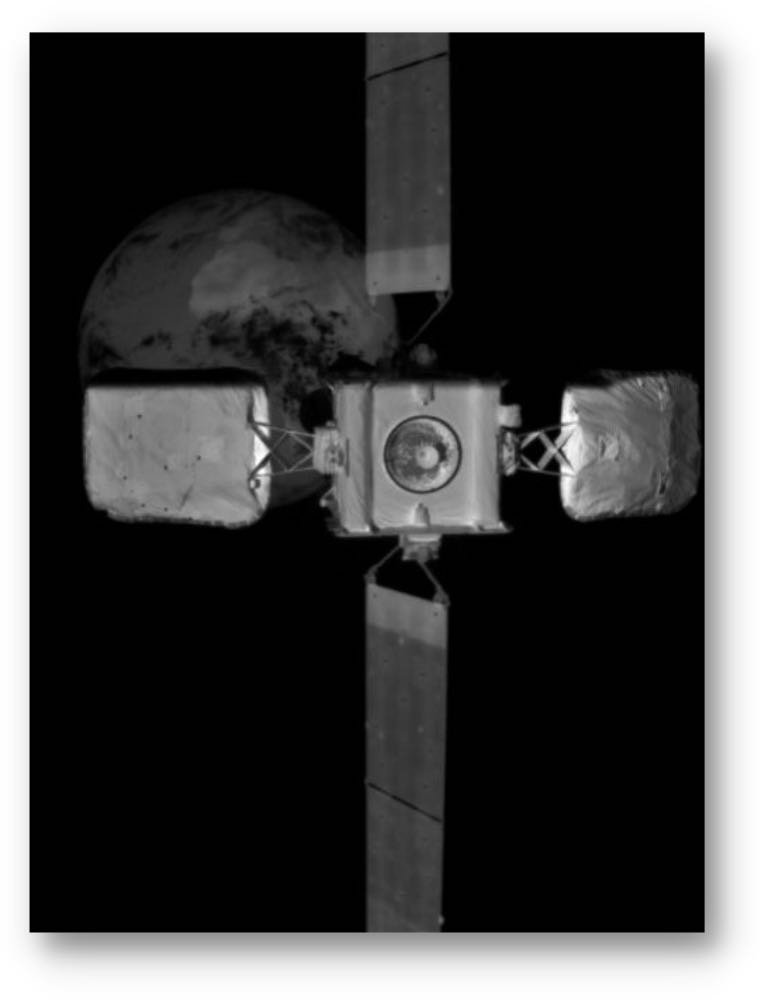
I trust you saved the 6 articles (Semi-Major Axis, Eccentricity, Inclination, RAAN, Argument of Perigee and True Anomaly) that were featured in previous Final Frontier Flashes. Maybe make a astro notebook? They talk the basics and in provide some bonus “know more” info. I also trust (hope?) you kept the “How to do a Rendezvous” article. It is an applied orbit elements paper, goes into the orbit element matching process of a rendezvous. Good idea to understand that, since it’s happening in space A LOT. Space Servicing is a research and development area that excites me. Space servicing vehicle linking up with a client spacecraft to refuel or repair, yup, that’s happening today with the Mission Extension Vehicle that Northrop Grumman is operating. The CONFERS program is defining standards for supporting the spacecraft servicing future.

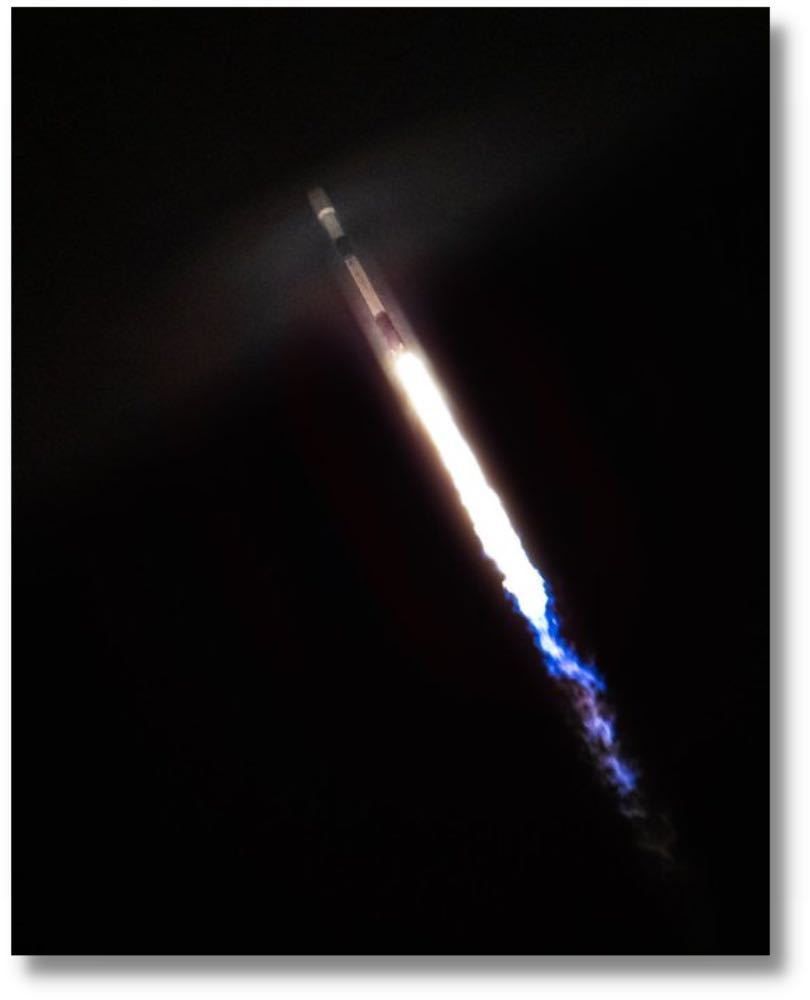
A TLE is 2 lines of numbers arranged in a formatted manner to describe an orbit. It’s a time tagged set of astro numbers where you can easily find the orbital elements can. My colorful aide give you a quick “what’s where” TLE tutorial. Maybe you can snip it out and use a magnet to place it on your refrigerator. Get everyone in your home on board with knowing the TLE format and contents! Let me assure you, after examining a TLE a few times, you’ll find you don’t need the aide, you’ll know it. How do I know this? Well, back when I was on the US Air Force Academy FalconSAT team as a teacher and mentor, the cadets would have to “hand jam” the TLE into the antenna tracker. I didn’t trust the file transfer thingy and felt the cadets would be most awesome officers if they knew the TLE by heart. Well, these hand jamming FalconSAT dynamos got good at plugging in their FalconSAT TLEs. Really!

Before diving in, I want you to know there are many articles on the Internet describing the TLE history, format, data, etc. Don’t stop reading here, give me a chance to introduce the TLE aide and what is in the TLE before dashing off to these other web sites. I tend to stay away from Wikipedia, but I found their web site on the TLE is pretty in depth and accurate. Another good one is the explanation of the TLE on Celestrak. Again, there are a lot of good references on the Internet and I’d like to now ask your indulgence to my talking you through my TLE aide, that will soon adorn your refrigerator, right? 😉

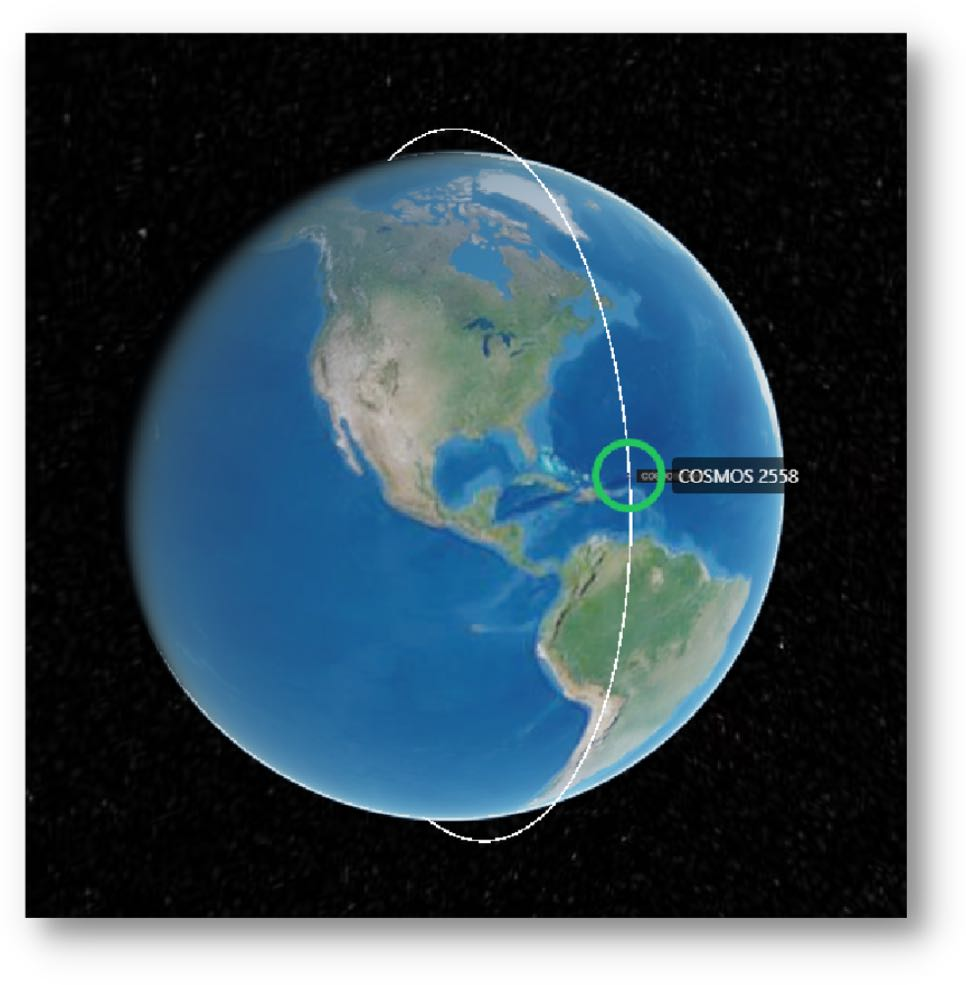
TLE LINE 1: It starts with Satellite Number and the International Designator. You’ll see I selected Cosmos 2558. It’s a LEO bird, about 450 km, and has an inclination of 97.2° (SSO, remember that?). It’s been in the news a lot. These are like “tail numbers” for the space object; which might be a spacecraft (alive or pooped out), rocket body, or debris. I like the International Designator because it has the year launched and what space object of the year it was launched as. The Epoch Time is pretty cool, as you know, 6 orbital elements need this time tag, that’s the Epoch Time. First 2 numbers are year, the next 3 are the Julian Day. That’s the day of year. Here’s a web site of a cool Julian Day converter.

As you can see, 1 Sep is JD 244. Then there’s the fraction of the day. For example, if it’s 1800 GMT, then the decimal day is .75. Now the remaining numbers include data on the rates of changes to Mean Motion and info on the drag being experienced by the space object. This drag can be atmospheric or solar radiation pressure depending on whether it’s a LEO or GEO. You’ll perhaps never have to use these, but it shows the detailed data in the TLE. Remember, Mean Motion is the angular speed of the object, if you have rates of change of Mean Motion, you can do a pretty darn precise job of predicting future position. The final numbers on line 1 are related to the element set type, and, good news, it’s always 0. Then there is the element set number which increments for each update. Finally, there’s the checksum. This is a single number that is calculated based on all the previous Line 1 numbers and verifies the first line’s authenticity and/or its integrity. The checksum ensures nothing got corrupted in transmitting the TLE data. Whew, we made it through line 1.

TLE LINE 2: Yay! It’s the orbital elements! First comes the Satellite Number (again) then you get the Tilt, Twist, Shape, Position of Perigee, Position of Satellite and finally the Mean Motion which is the parameter to find the Size. Let’s say that again only this time in orbital element speak: Inclination, RAAN, Eccentricity, Argument of Perigee, Mean Anomaly (related to True Anomaly) and the Mean Motion which if you re-read the Semi Major Axis article, you’ll find the

math to convert this to the semi-major axis. Eureka, Line 2 are the orbital elements, and thanks to Line 1, you have the time tag or Epoch Time.

So how can you get TLEs? There are many ways to accomplish this. I’m going to share with you the links to 2 websites. First is Celestrak – it does not require a user name and password and I find it is jam packed with a lot of great info and an easy way to “shop around” the Satellite Catalog. Then there’s Space-Track.org – you’ll need to register to get as password, from request to set up takes less than 15 minutes. It too has lots of great information and references.

There are other astrodynamics websites out there, perhaps you’ll use your Internet talents (of which I have none) and find other sources of TLEs and astrodynamics information.

Let me conclude with a challenge. Many folks take space related courses and really emerge with great insight and knowledge. But, if you don’t use you new insight, it will atrophy. So, what to do. Well, you can go to Space-Track or Celestrak and workout, like going to the Astro Gym. Get together with a fellow astro enthusiast and go to the Astro Gym together for a workout. Better yet, find those in your organization who are astro dynamos and do this every day, and ask them to help you stay current and grow in knowledge. Given what’s going on “out there”, we need EVERYONE to know their astrodynamics, what the orbital elements are, and better yet, we all need to be dancing the orbit element dance…show some astro spirit!

Well, anyone got any ideas for the next Jack’s Astro Corner article? Let me know, maybe I can take an astro swing at it. My email is jackfanthony78@gmail.com

Mission Extension Vehicle 15 m from Intelsat 10-02

CONFERS - fostering the satellite servicing industry

FalconSat-5

Jack’s “Find the Orbit Elements” aide for unraveling a TLE

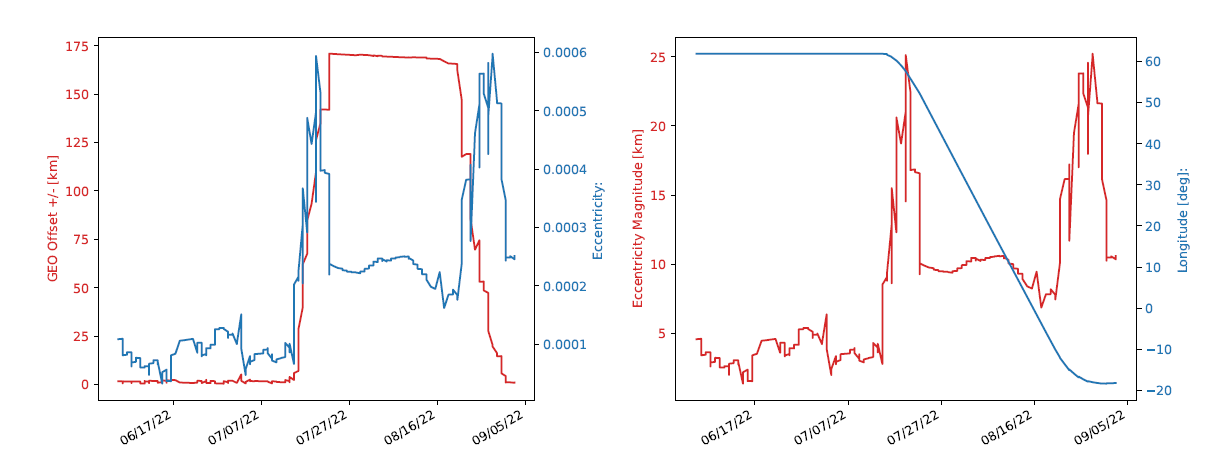
Cosmos 2558 orbit