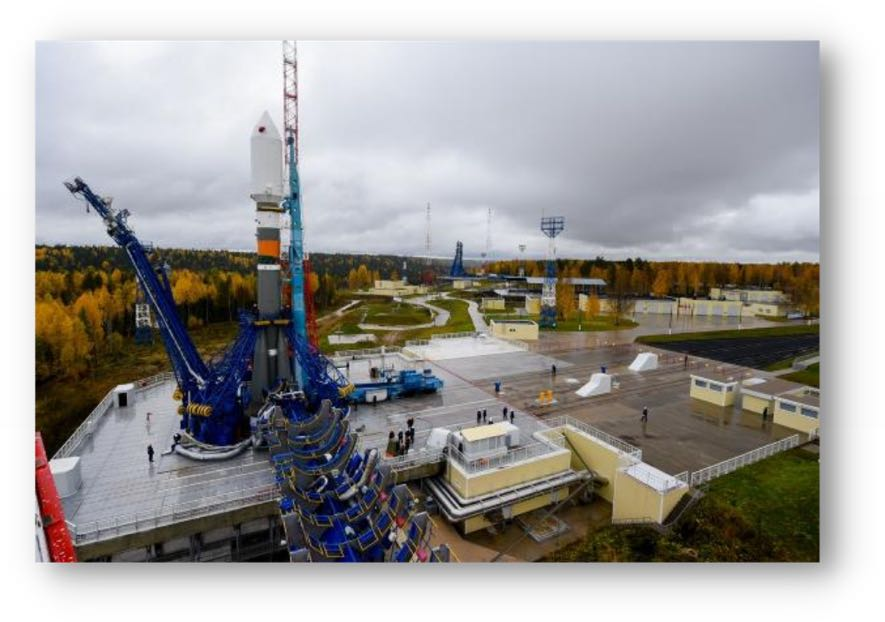
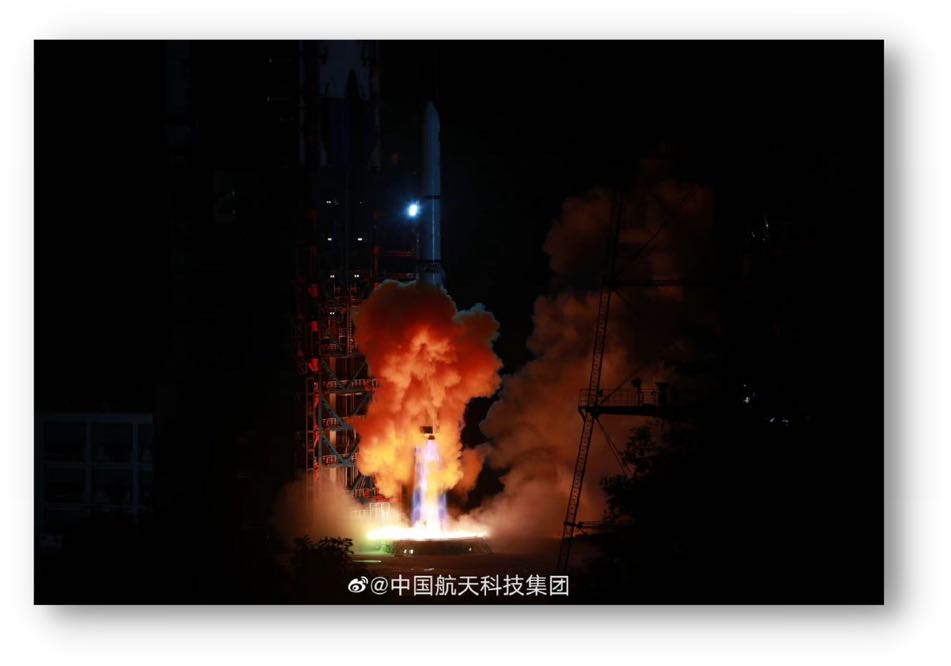
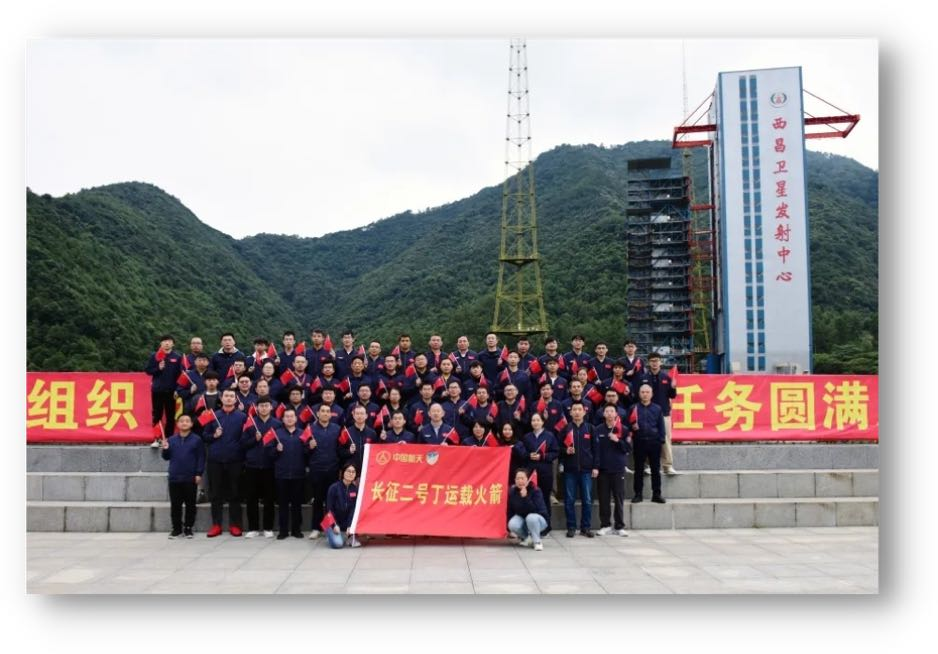
15 Oct 2022: Russia launched an Angara 1.2 rocket from Site 35/1 at the Plesetsk Cosmodrome carrying a payload for the Russian military to a Sun-synchronous Orbit (SSO). There is debate on Kosmos 2560’s mission, it is likely a small electro-optical imagery satellite or a target for the Perevest anti-satellite laser system. Launch Video.
– Russian press reported that an “Angara-1.2 light-class carrier rocket with a spacecraft in the interests of the Russian Defense Ministry”
– Kosmos 2560 is similar to Kosmos 2551 (launched Sep 2021) and 2555 (launched Apr 2022). Both of the previous satellites were non-maneuvering & re-entered weeks after launch.
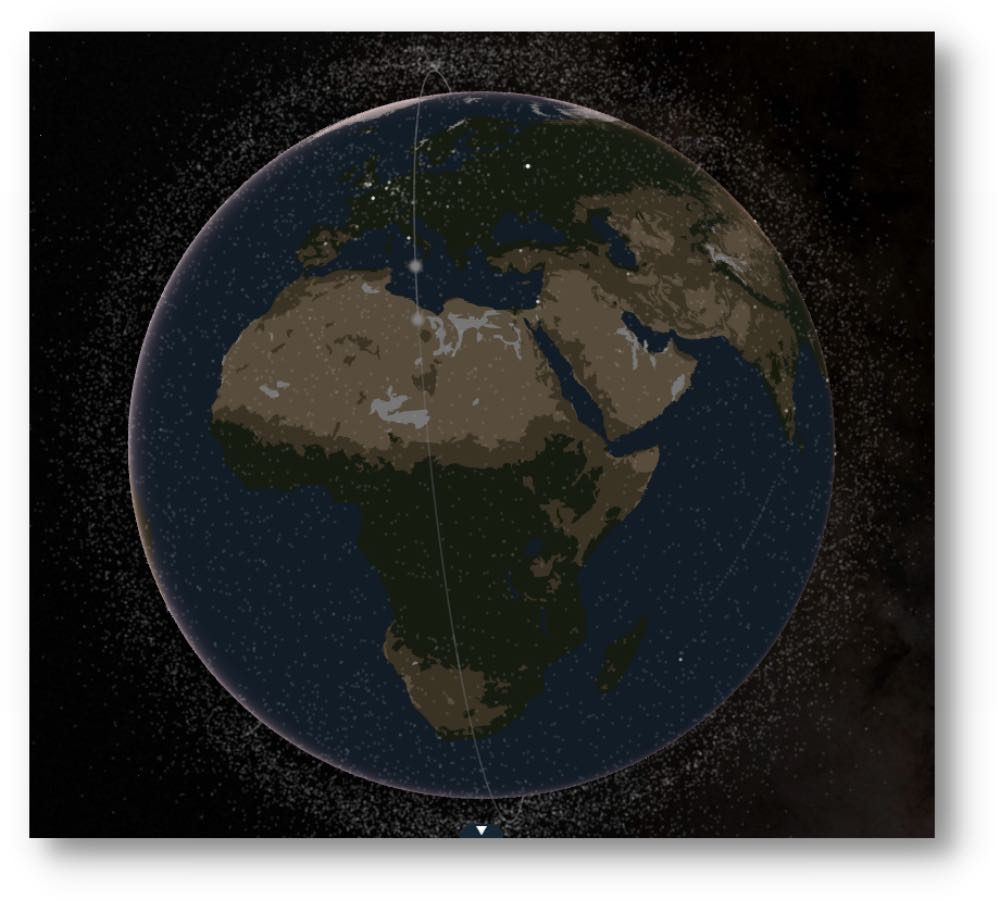
–Kosmos 2560 has been cataloged in a 328 x 344 km x 96.4 deg sun-sync orbit. This is slightly higher than the orbit of Kosmos 2551 & 2555, the previous missions in the series.
– There is continued debate regarding the mission of Kosmos 2560.
-While initially suspected to be a small military optical reconnaissance satellite designated EMKA-3, new reports offer the payload is part of a different series of satellites and is designated EO MKA No. 3.
– Kosmos 2560 is also called EO MKA in a document published on September 29 by the Russian insurance company Ingosstrakh.
-“O” could stand for “optical”, in which case EO MKA would be deciphered as “experimental optical small satellite”. It can’t be “electro-optical” because the Russians literally say “optico-electronic”, in which case it would be OE MKA.
– EO MKA (written separately) is sometimes seen in technical literature in the meaning “experimental testing of a small satellite.”
– The launch of Kosmos-2560 is just the second time that Angara 1.2 rocket has launched operationally, and it was the second launch using the 1.2 variant, designed specifically for payloads launching to LEO. The first Angara 1.2 launch was Kosmos 2555.
-Russia intends to launch a third Angara 1.2 before the end of 2022, with a South Korean SAR satellite as the final payload. The status of this launch unclear as nearly all international customers canceled their launch contracts for Russian rockets as a result of the ongoing geopolitical conflict between Russia and Ukraine.
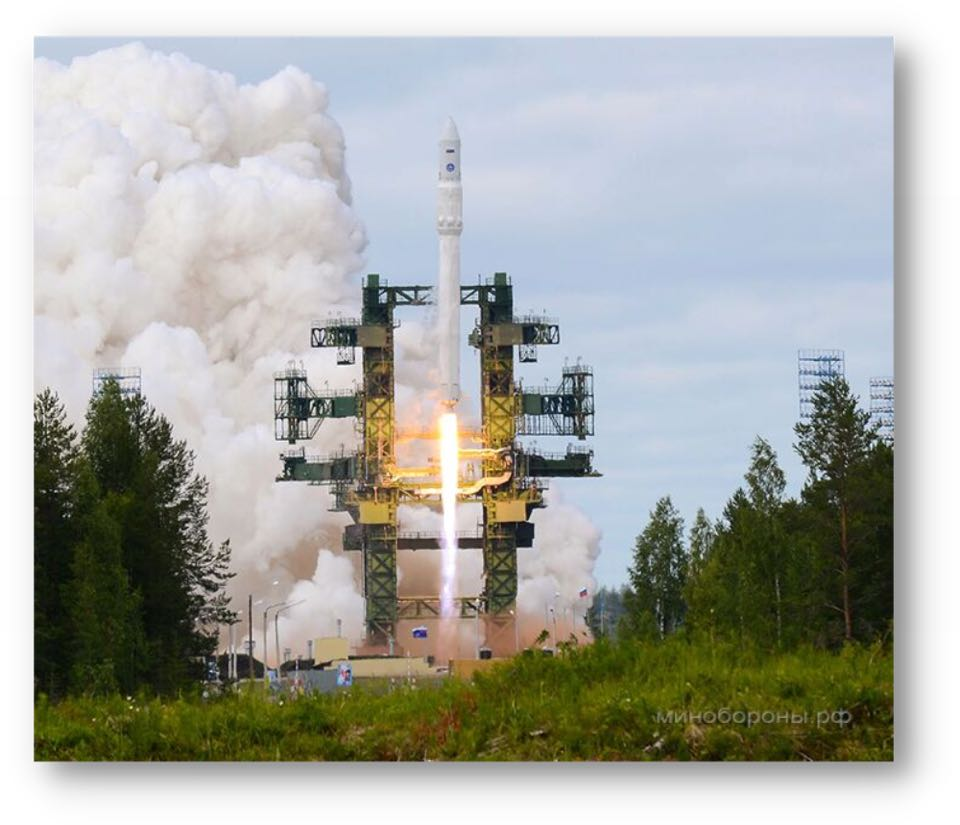
Angara 1.2 launch carrying the Russian military satellite later designated Kosmos 2560.

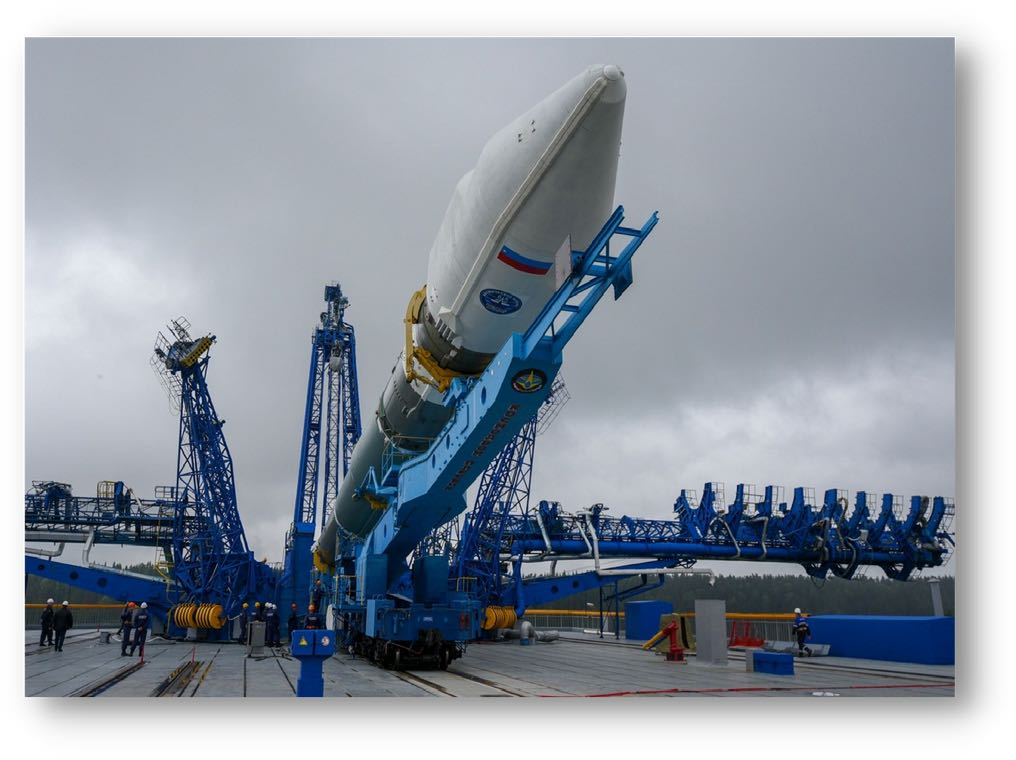
Angara 1.2 launch vehicle and ground equipment at Plesetsk Cosmodrome.

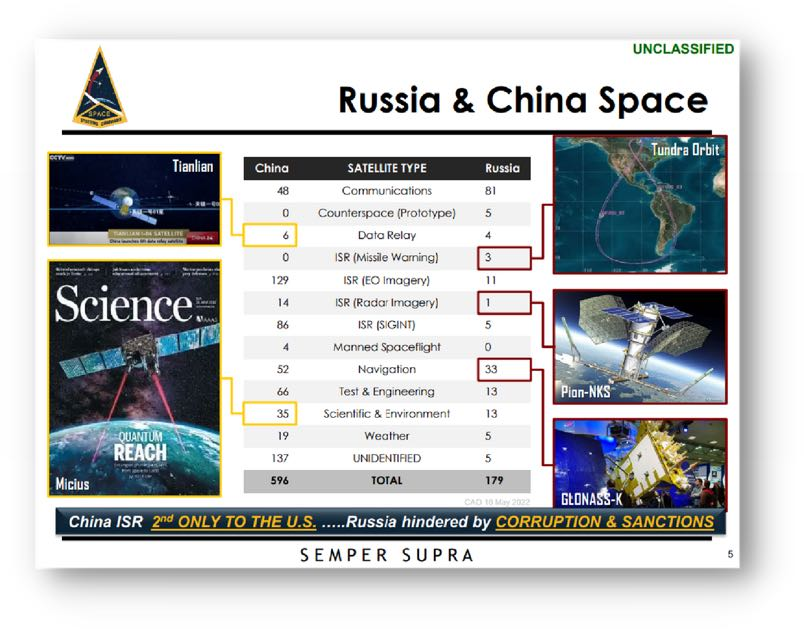
Russian launch-planning document highlighted in the issue as linking “EO MKA” with the Angara 1.2 mission.