Issue 59

Eyes on the Skies: China’s Growing Space Footprint in South America

4 Oct 2022: The Center for Strategic and International Studies (CSIS) published an extensive article regarding Chinese space facilities in South America. - The PLA Strategic Support Force (PLASSF)-which is responsible for space, cyber, and electronic warfare-has a hand in virtually all Chinese space activities. Unlike…

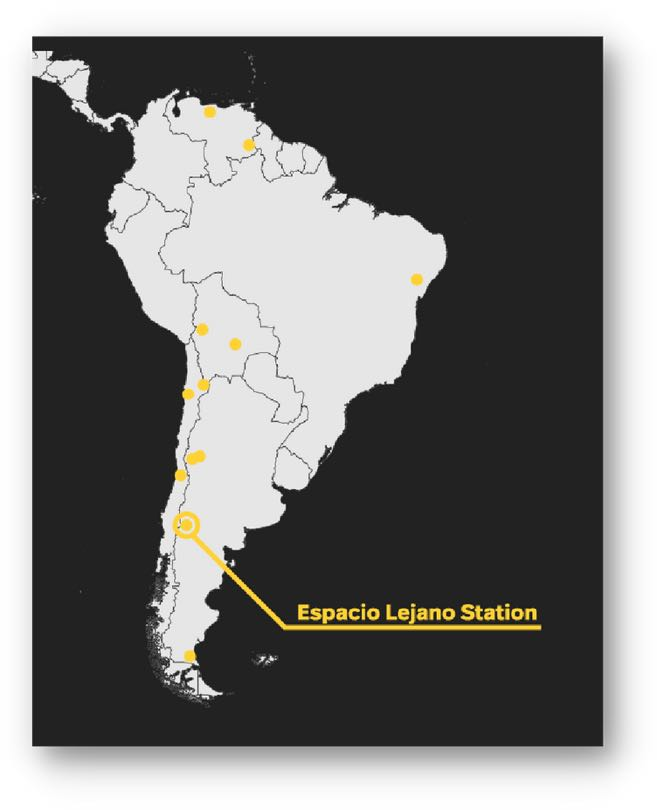
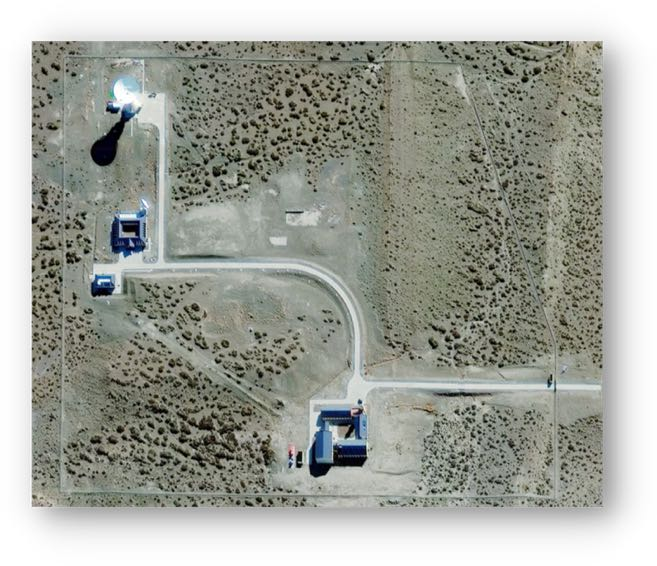
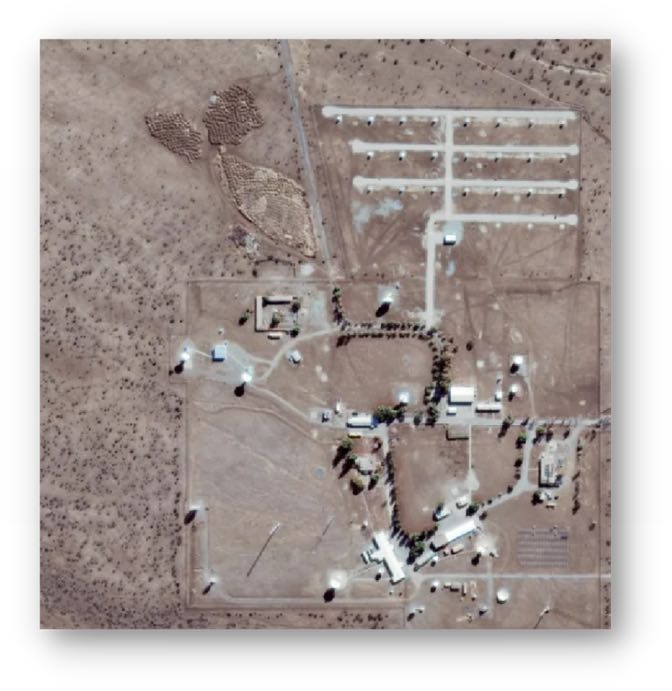
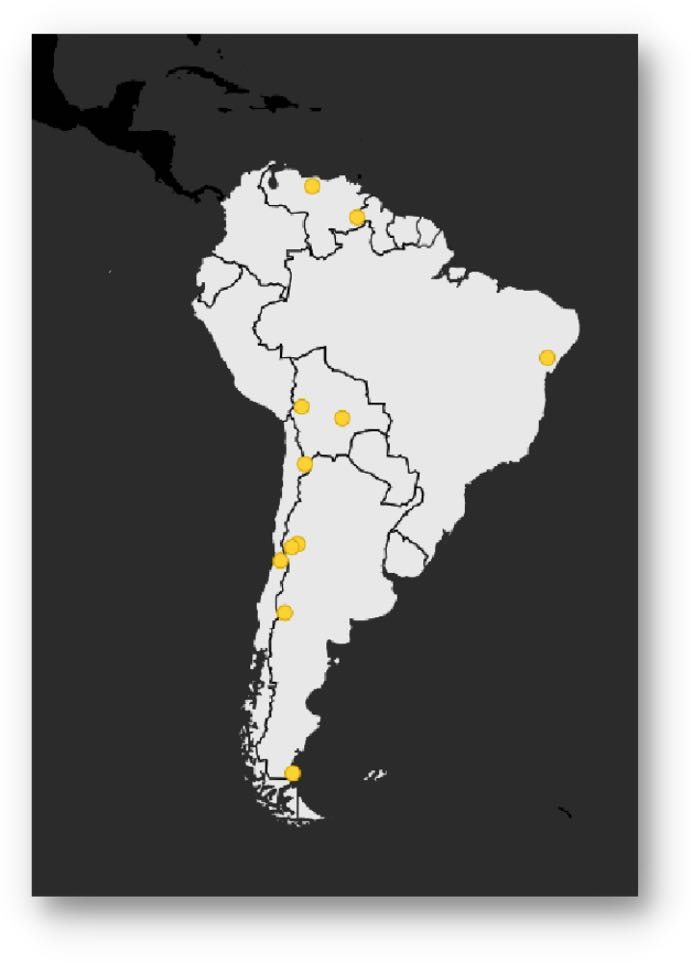
4 Oct 2022: The Center for Strategic and International Studies (CSIS) published an extensive article regarding Chinese space facilities in South America. – The PLA Strategic Support Force (PLASSF)-which is responsible for space, cyber, and electronic warfare-has a hand in virtually all Chinese space activities. Unlike the United States and its partners, China’s main civilian space agency (China National Space Administration) is overshadowed by the military. -Some fear that the PLA will use space projects to extend its influence to overseas ground stations dotted across the globe. Several of the ground stations used by China are located in South America to provide coverage of the skies over the Southern Hemisphere. -Their proximity to the United States has heightened fears that they can be used to spy on U.S. assets and intercept sensitive information. -The Espacio Lejano ground station in Neuquén, Argentina, has drawn considerable attention. The site has been shrouded in controversy since 2012, when Argentina leased nearly 500 acres of land to China for the construction of space facilities. -Since coming on line in 2017, Espacio Lejano has been administered with little to no oversight from the Argentine government. The contract between the two governments stipulates Argentina “not interfere or interrupt” activities carried out at the station, which has amplified rumors of spying and other military activity. -Espacio Lejano contains two primary assets: a 35m antenna (top) and a 13.5m (bottom) antenna. – The 35m antenna operates in the S- and X-bands for sending data (uplink) and receiving data (downlink) and uses the Ka-band for receiving only. – Espacio Lejano is run by China Satellite Launch and Tracking Control General (CLTC), a sub-entity of the PLASSF, which has heightened suspicion that the Chinese military makes ready use of the station. CLTC manages the ground infrastructure for China’s space operations and is staffed by PLA personnel. -The capacity for ground stations for dual use applications is true for all countries with robust space programs, but China is particularly secretive about its operations at overseas ground stations. – Three hundred and fifty miles to the north lies the Santiago Satellite Station, operated by the Swedish Space Corporation (SSC). CLTC has leased two antennas at the station, which satellite imagery suggests are located in the northwest corner of the main operations and support area. -The Swedish Defense Research Agency found that China’s access to antennas at another SSC ground station-one near the Arctic Circle in Kiruna, Sweden-could violate the terms of use and be used for military intelligence gathering and surveillance. -SSC announced in 2020 that it would not renew its contract with China at Kiruna. It also chose not to renew contracts with China at the Santiago station and a third location in Dongara, Australia. -Pushback due to accusations of spying may force China to lean on partnerships elsewhere in the region. China has been pivotal in helping Venezuela establish a presence in space. -As part of a 2005 deal between Venezuela and China’s state-owned China Great Wall Industry Corporation (CGWIC), China helped to develop the Venezuela’s first satellite. The deal also included the construction of the El Sombrero satellite ground station in Guárico. -CGWIC is a subsidiary of China Aerospace Science and Technology Corporation (CASC), a key state-owned defense contractor that produces space launch vehicles, missile systems, and other equipment. -CASC was included in a Nov 2020 executive order outlawing U.S. investments in 31 Chinese companies. -Emposat, a Beijing-based firm with close ties to the influential state-run Chinese Academy of Sciences, plans to build a ground station in Río Gallegos as part of a joint venture with Argentine company Ascentio. -When completed, the facility is expected to house four to six antennas of various sizes and provide increased coverage of Earth-orbiting satellites due to its proximity to the South Pole. The exact location has yet to be identified through satellite imagery, and additional details of the partnership are otherwise murky. China’s space network in South America is part of a broader push by Beijing to establish itself as a leading global space power and partner of choice in space for middle-income economies. Many countries, especially those with political dynamics that curtail cooperation with the United States, stand to benefit from working with Beijing. Doing so, however, risks entanglement with opaque actors within China’s expansive space ecosystem. Overseas stations will likely help the Chinese military further level up its operational capabilities. As the PLA extends its reach farther from China’s shores, it will need a robust suite of space capabilities to assist with intelligence gathering, situational awareness, and more. Ground stations can be called on to support all these needs.

Map locating the Espacio Lejano ground station in Argentina.

Satellite view of the Espacio Lejano ground station in Neuquén, Argentina.

Satellite view of the Santiago Satellite Station referenced in the issue.

Satellite view of the El Sombrero ground station in Venezuela.

Map highlighting the planned Río Gallegos ground-station area in southern Argentina.