
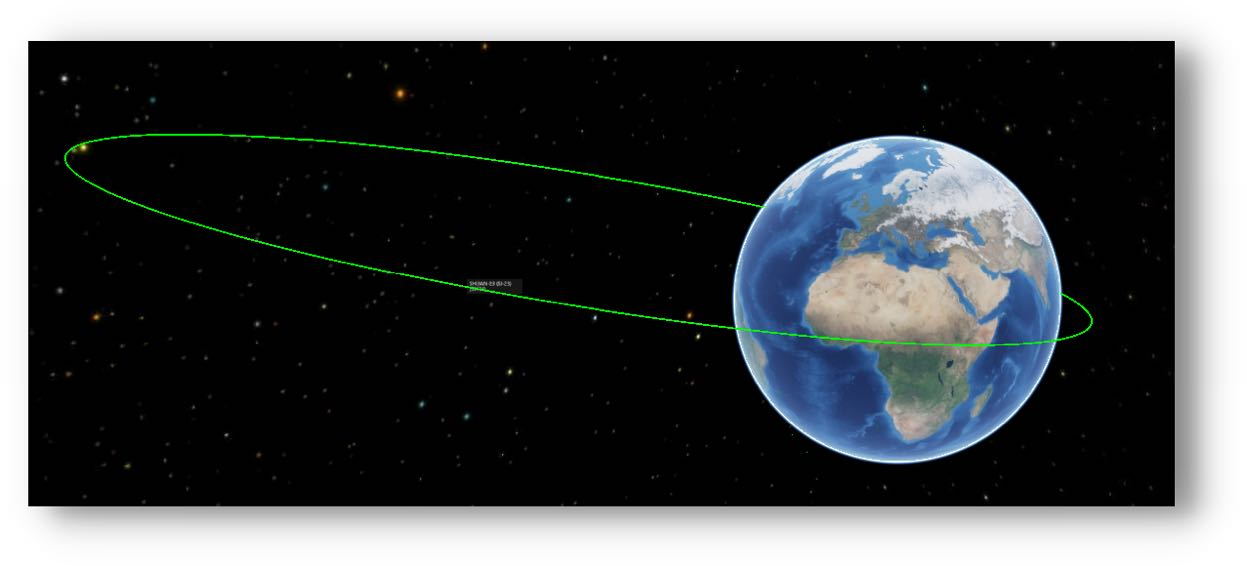

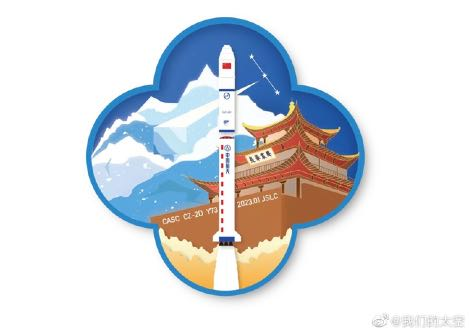
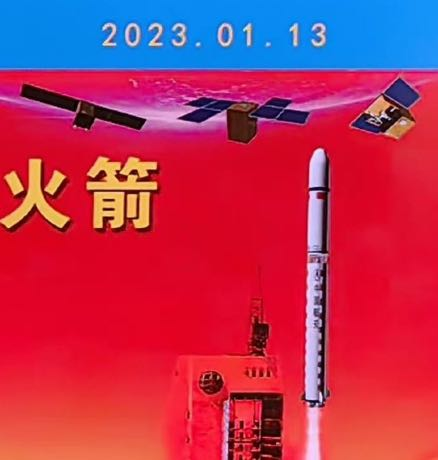
China launched the classified Shijian-23 spacecraft on a Long March 7A from Wenchang on 9 January 2023.
9 Jan 2023: China launched Shijian-23 from Wenchang on a Long March 7A. SJ-23 entered geosynchronous transfer orbit (GTO). Shijian satellites, described in the issue as “trial” or “pilot” spacecraft, typically have classified missions and the capabilities and mission of SJ-23 were unknown. Launch Video.
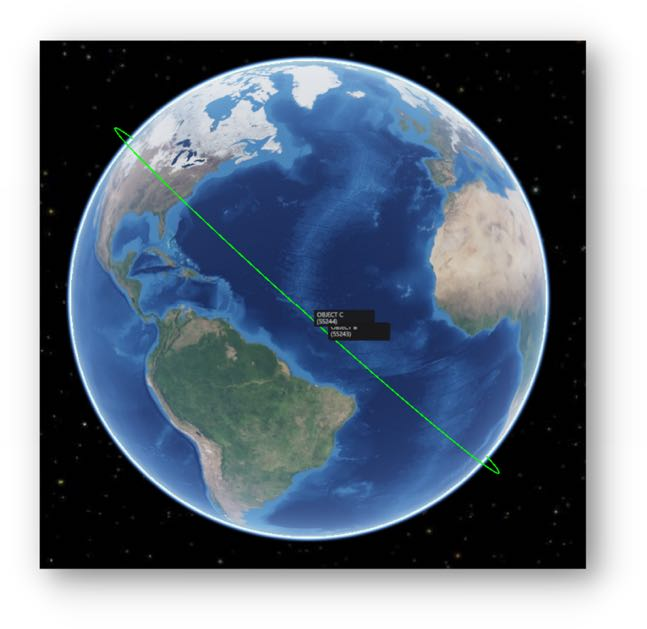
– SJ-23 was initially in an approximately 884 x 35,807km orbit inclined about 14.5° and was expected to maneuver into the geostationary belt.
– The issue notes unverified clues that SJ-23 may be a high-throughput satellite similar to SJ-13, based partly on a blurry launch-day postmark that may depict a DFH-4S bus.
– The DFH-4S bus is described as about 2,700kg with an orbital life of up to 15 years using onboard propulsion.
– SJ-23 was reportedly manufactured by SAST, while SJ-13 was a CAST product.
– SJ-23 was the first Shijian satellite launched on Long March 7A.
– Once in GEO, SJ-23 would join SJ-13, SJ-17, SJ-20 and SJ-21 as Shijian spacecraft operating in that regime.
– Chinese media described the mission as scientific experiments and technical verification.
– Initial Chinese reports incorrectly stated that Shiyan-22A and -22B launched with SJ-23. State media later corrected this and said the Shiyan spacecraft flew on a separate Long March 2D mission.
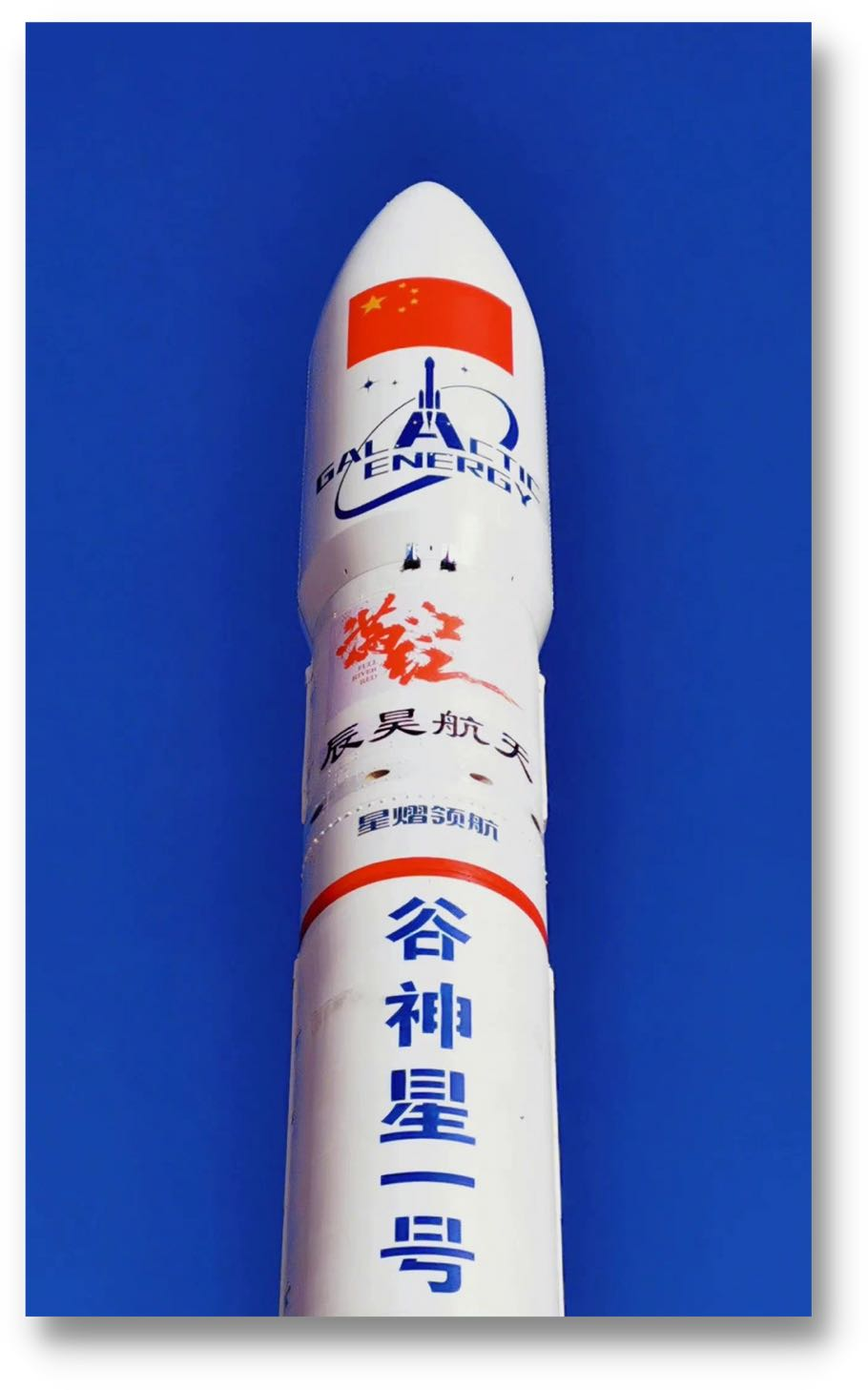
Galactic Energy's fifth Ceres-1 flight carried five rideshare satellites into sun-synchronous orbit on 9 January 2023.
9 Jan 2023: A few hours after the Shijian-23 launch, Galactic Energy launched its Ceres-1 rocket from Jiuquan carrying five satellites to sun-synchronous orbit. Launch Video.
– Tianqi-13 was one of the five payloads and belongs to the Tianqi LEO communications constellation, which the issue says is planned for 38 satellites.
– Two payloads belonged to the Tianmu Meteorological Constellation, although the issue notes that no further details about their exact purpose were released.
– Another payload was the Nantong Zhongxue Satellite from Nantong Middle School, while the fifth was SciTech-1.
– Ceres-1 uses three solid-fueled stages and a hydrazine-based fourth stage for final orbital adjustment.
– The rocket can place up to about 400kg into low Earth orbit and is designed for rapid preparation from a relatively simple launch platform.
This was Ceres-1’s fifth flight, and the issue reports that all five missions had been successful.

China launched Yaogan-37 and Shiyan-22A/22B on 12 January 2023 into an unusual shared low-Earth orbit.
12 Jan 2023: China launched a Long March 2D carrying three classified satellites: Yaogan-37 and Shiyan-22A/22B. The orbit appeared unique compared with earlier Yaogan and Shiyan missions, and it was too early to determine whether the three satellites would operate in formation or gradually separate. Launch Video.
– All three satellites were inclined 43.2°.
– The two suspected Shiyan-22 spacecraft were within roughly 1km of one another at about 524km apogee and 510km perigee.
– Yaogan-37 had a similar 524km apogee but a slightly higher 514km perigee.
– Without additional maneuvering, Yaogan-37 would increasingly trail the two Shiyan spacecraft.
– The issue notes that no other Chinese Yaogan or Shiyan satellites were operating at the same altitude and inclination; recently launched Shiyan-21 was the closest comparison.
– The official description for the three spacecraft was “on-orbit verification tests of new technologies such as space environment monitoring,” a phrase the issue notes is frequently used for classified Chinese payloads.
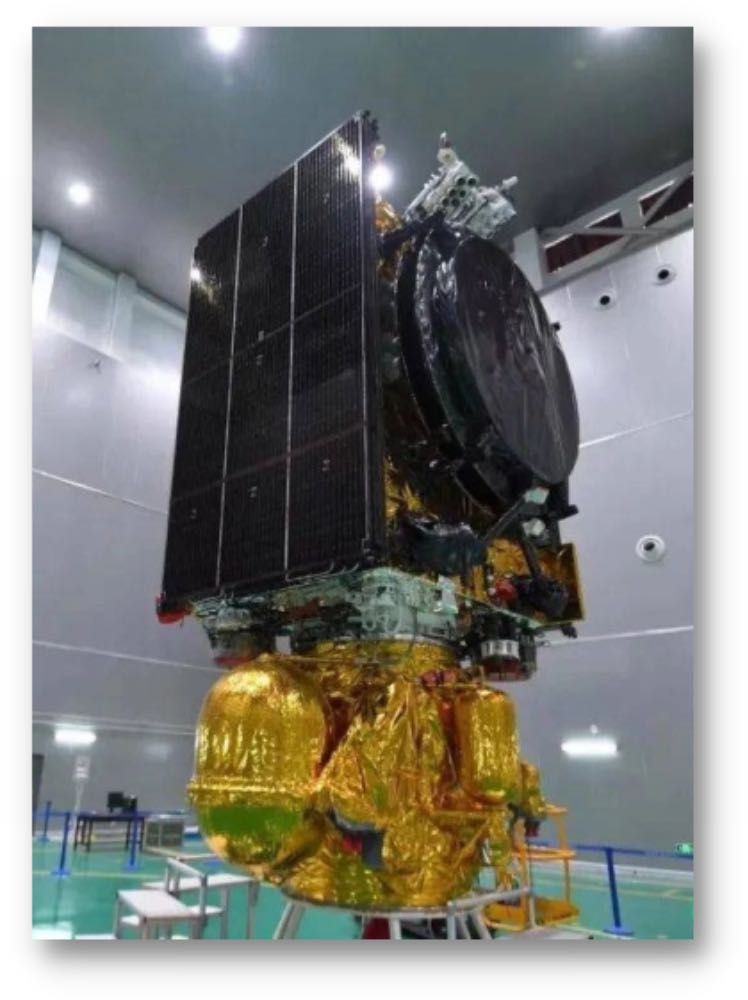
China launched the 4.3-ton APStar-6E communications satellite on a Long March 2C on 12 January 2023.
12 Jan 2023: China launched a Long March 2C from Xichang carrying the APStar-6E communications satellite. AP stands for Asia-Pacific, and the satellite is intended to provide high-throughput broadband communications services for Southeast Asia. Launch Video.
– APStar-6E is based on the DFH-3E bus.
– The Long March 2C placed the satellite into an approximately 209 x 483km orbit. A detachable kick stage would then raise it, after which electric propulsion would be used to reach GEO.
– The issue gives a launch mass of 4.3 tons and describes APStar-6E as the heaviest satellite launched by Long March 2C at that time.
– To accommodate the payload, the adapter was redesigned and its mass reduced by more than 20%.
– Four active APStar satellites were already in GEO: APStar-7, -9, -6C and -6D, each advertised with a 15-year design life.
– The issue suggests APStar-6E might operate near APStar-6C/-6D over Indonesia or near aging APStar-7 south of India.

Hong Kong Aerospace Technology Group agreed to develop a roughly $1 billion launch facility in Djibouti's Obock Region.
12 Jan 2023: Djibouti signed a partnership with Hong Kong Aerospace Technology Group for construction of a satellite and rocket launch facility. The project was estimated at around $1 billion and also included a port and highway in the northern Obock Region. Source.
– Djibouti’s proximity to the equator makes it attractive for launch operations that can benefit from Earth’s rotational velocity.
– The issue says construction could be completed as early as 2027.
– Infrastructure would be handed over to Djibouti after a 30-year co-management arrangement with Hong Kong Aerospace Technology.

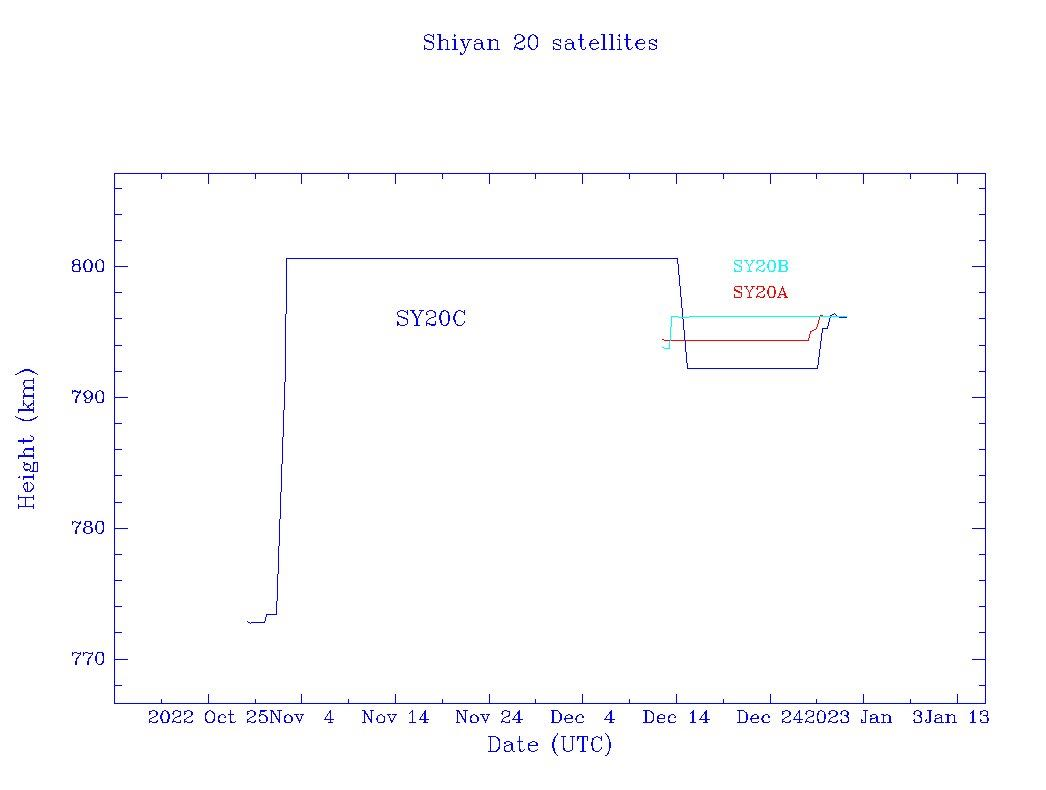
Shiyan-20A and Shiyan-20B settled into a lead-trail formation separated by about 30 degrees of orbital arc.
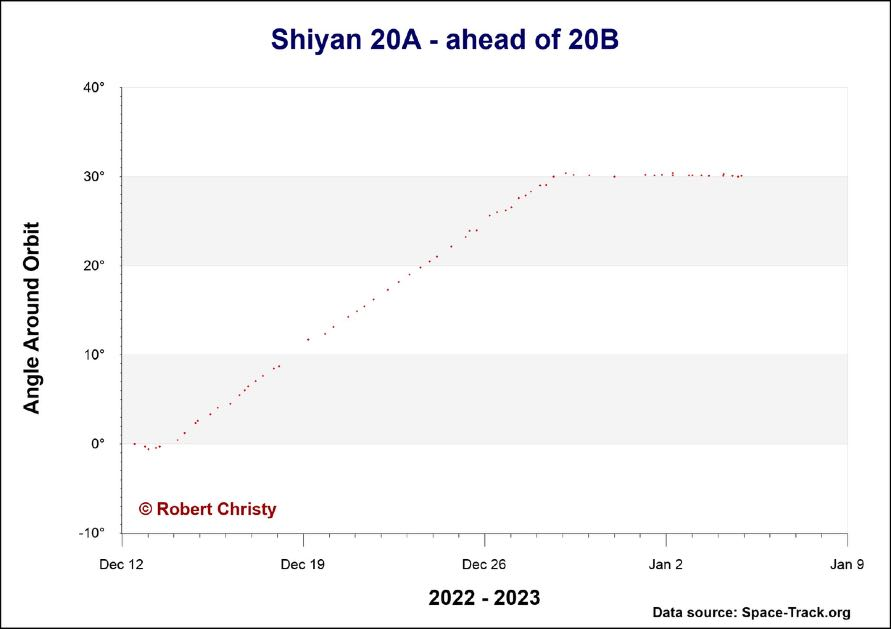
5 Jan 2023: China maneuvered Shiyan-20A and Shiyan-20B into a lead-trail formation, with Shiyan-20A approximately 30° ahead of Shiyan-20B.
– The maneuver appeared to conclude around 29 Dec, ten days after the pair’s 19 Dec Long March 4C launch.
– The issue states that maneuvering began on 14 Dec and that on 29 Dec Shiyan-20A synchronized its orbital period with Shiyan-20B.
– The capabilities and mission of both spacecraft remained unknown.
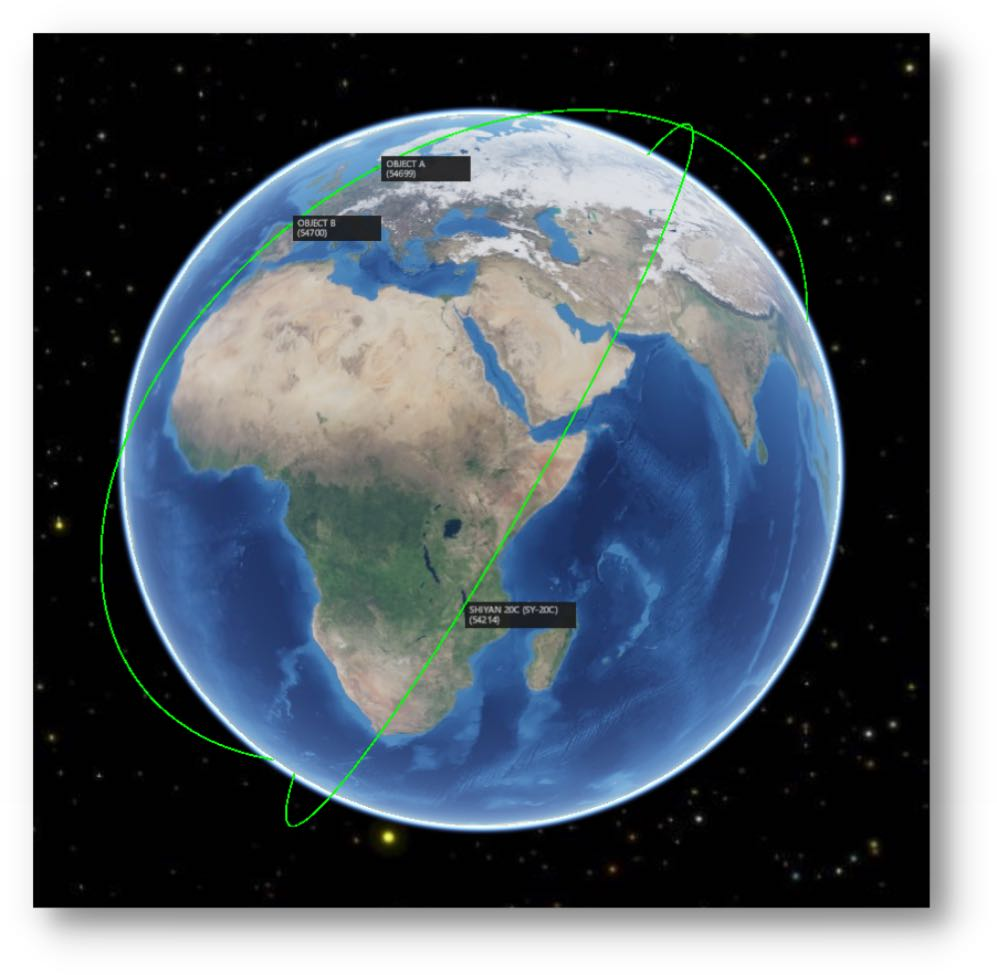
– Shiyan-20C was described as being “twisted” roughly 60° from the Shiyan-20A/B orbital plane.
Shiyan-20B settled about 30° of orbital arc, roughly 3,400km, behind Shiyan-20A.
China and the Philippines moved toward a rocket-launch notification system after disputes over Chinese space debris in Philippine waters.
12 Jan 2023: China and the Philippines planned discussions on cooperation in weather forecasting and space tracking and on establishing a notification system for rocket launches after disputes over Chinese rocket debris found in Philippine waters. Source.
– Chinese rocket debris had been found in Philippine waters multiple times, adding to broader tensions over the South China Sea.
– The Philippines lodged a diplomatic protest after a Nov 2022 incident in which its military said a Chinese coast-guard vessel forcibly took floating rocket debris being towed by a Philippine naval vessel.
– The Philippine military said the Chinese vessel blocked its ship twice before taking the debris.
– China’s foreign ministry confirmed the debris came from a Chinese rocket but said it had been transferred after a “friendly consultation.”

The issue highlights Starlink's role in Ukrainian C4ISR and the military resilience created by a proliferated LEO communications constellation.
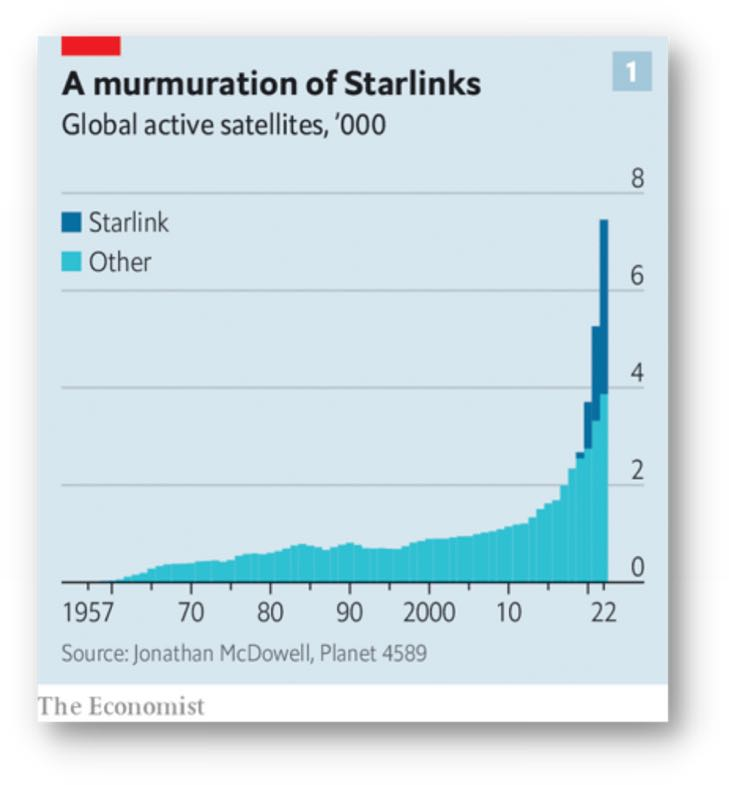
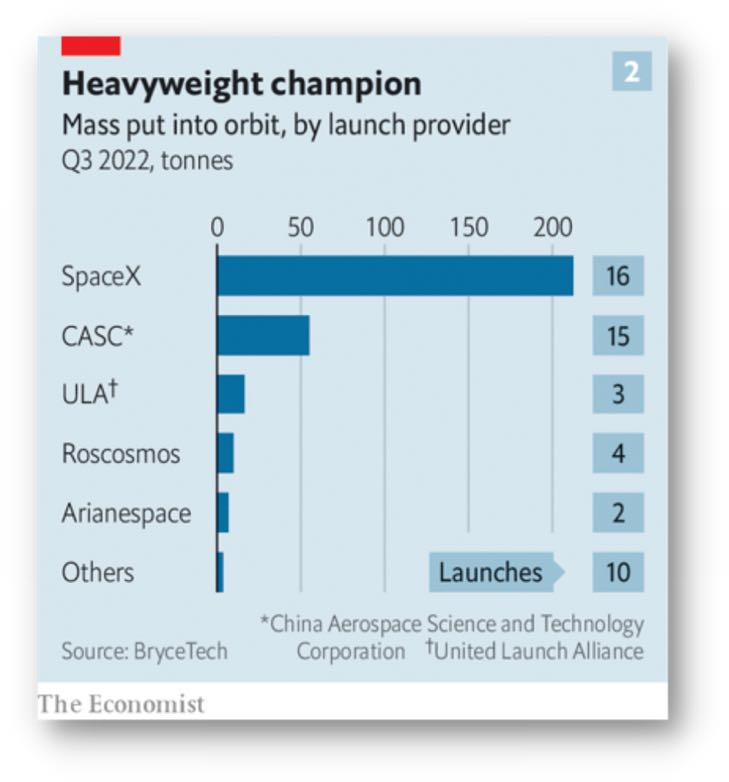
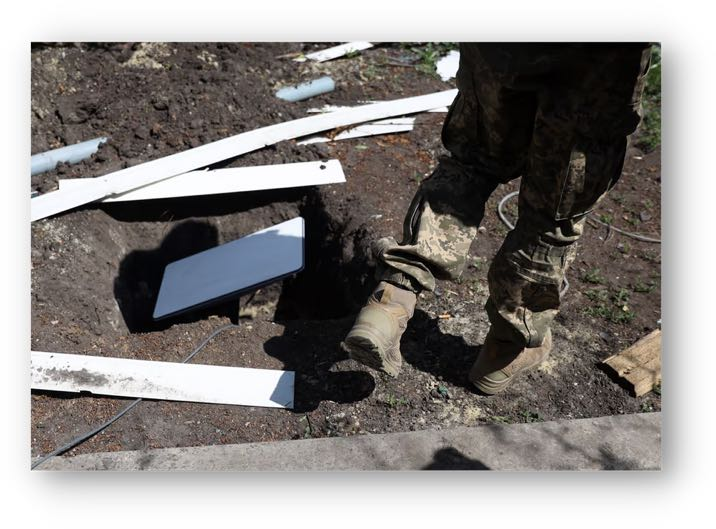
5 Jan 2023: The issue highlighted an Economist article describing how Ukrainian forces were using Starlink communications in the war with Russia and how the constellation’s architecture increased resilience to both non-kinetic and kinetic threats. Read the article.
– The issue gives the constellation size as 3,335 active Starlink satellites, roughly half of all working satellites at the time.
– New satellites had been added at an average rate exceeding 20 per week over the previous six months.
– Starlink was described as a critical part of Ukrainian C4ISR: command, control, communications, computers, intelligence, surveillance and reconnaissance.
– Ukrainian forces used Starlink-enabled networks to send target imagery and coordinate artillery decisions much more quickly than earlier methods.
– The issue also describes Starlink-supported maritime-drone operations around Sevastopol.
– Russian electronic-warfare systems can locate, jam or spoof radio emissions, but Starlink’s relatively strong LEO signals and narrow electronically steered beams make interference more difficult.
– Cyber attacks were described as less effective because SpaceX could rapidly update system software.
– A kinetic ASAT attack against one Starlink satellite would have little system-wide effect; significantly degrading the network would require destroying many spacecraft.
The article is presented as an example of how proliferated LEO communications can reshape military command and control while improving resilience against attack.


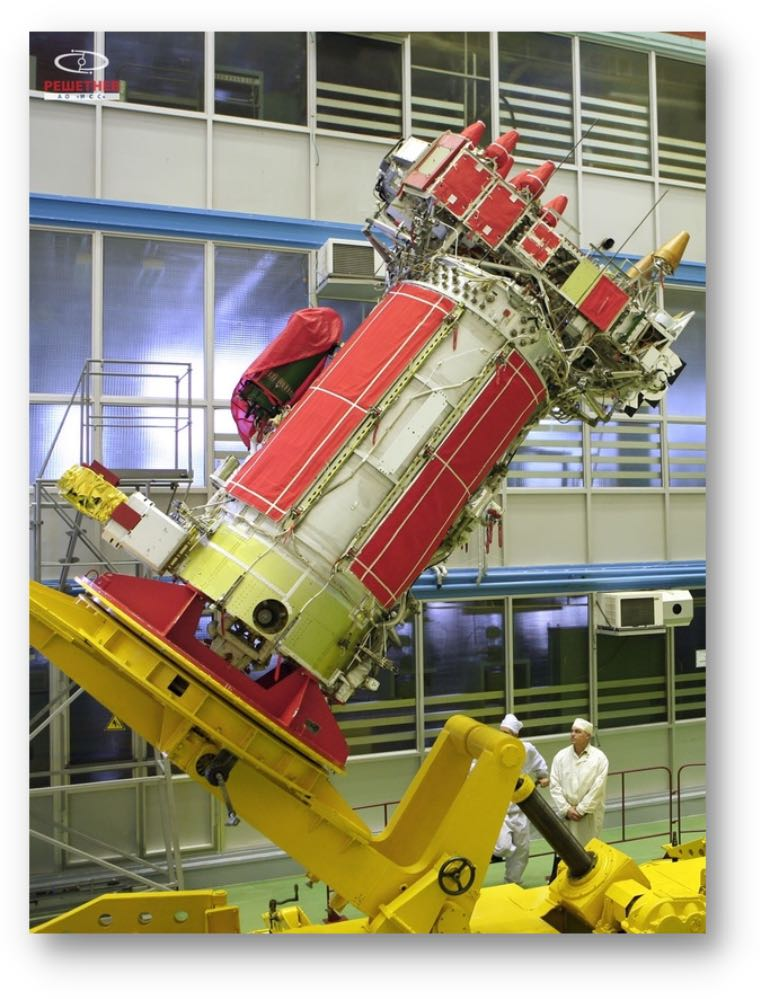
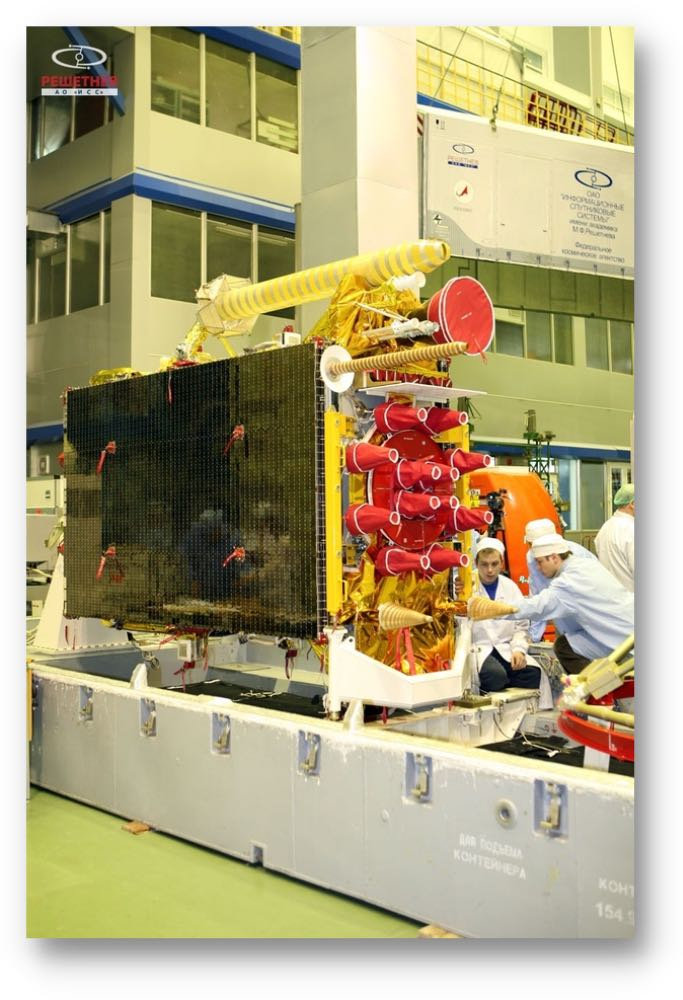
The issue reviews alleged GLONASS secondary payloads for nuclear detection, military search-and-rescue and naval SIGINT targeting support.
19 Dec 2022: The issue highlighted a Space Review article by Bart Hendrickx examining three secondary payloads associated with Russia’s GLONASS navigation satellites. Read the article.
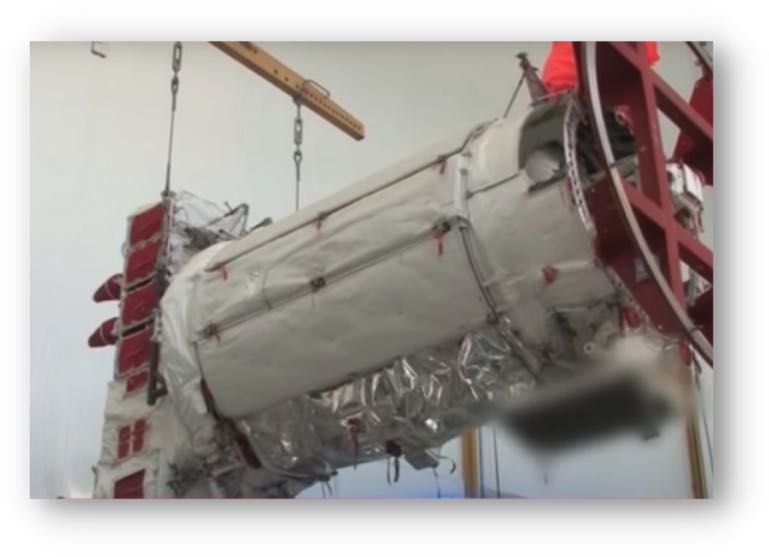
Nuclear Detection: Nuclear-detection sensors became standard on GLONASS-M beginning in Dec 2003. The GLONASS-M payload is called BAL-M, with modified BAL-K and BAL-K2 versions for GLONASS-K and K2.
– The precise location of BAL-M on GLONASS-M is not public. The issue notes that an object on the lower portion of the satellite was intentionally blurred in some video footage.
KSPS-MO: Rescuing Military Personnel: A secondary payload planned for GLONASS-K2 would detect and relay distress signals from military personnel in emergencies.
– The military search-and-rescue system would use beacons in the 400-410MHz band and could send a return message confirming that the distress signal had been received.
Ruveta: Collecting Targeting Data for the Russian Navy: Ruveta is described as a SIGINT system intended to provide target-location data on NATO surface vessels to Russian naval forces.
– The issue links Ruveta to a larger Tsiklop reconnaissance program intended to collect targeting information from multiple assets.
– GLONASS-K2 is substantially larger than GLONASS-K, with greater mass, height and electrical power, making secondary payload integration easier.
The issue describes the GLONASS navigation constellation as supporting little-publicized secondary missions beyond positioning, navigation and timing.
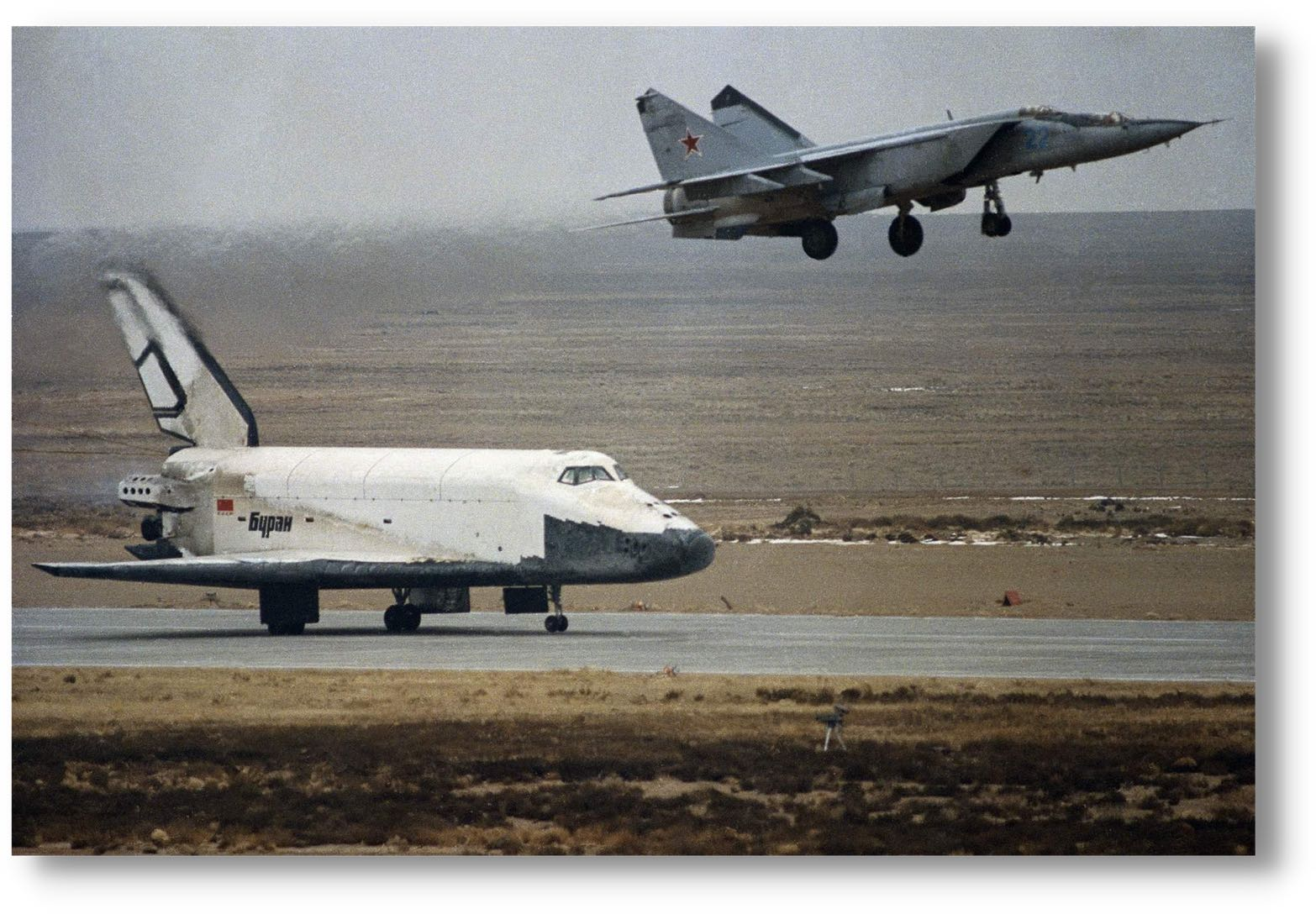
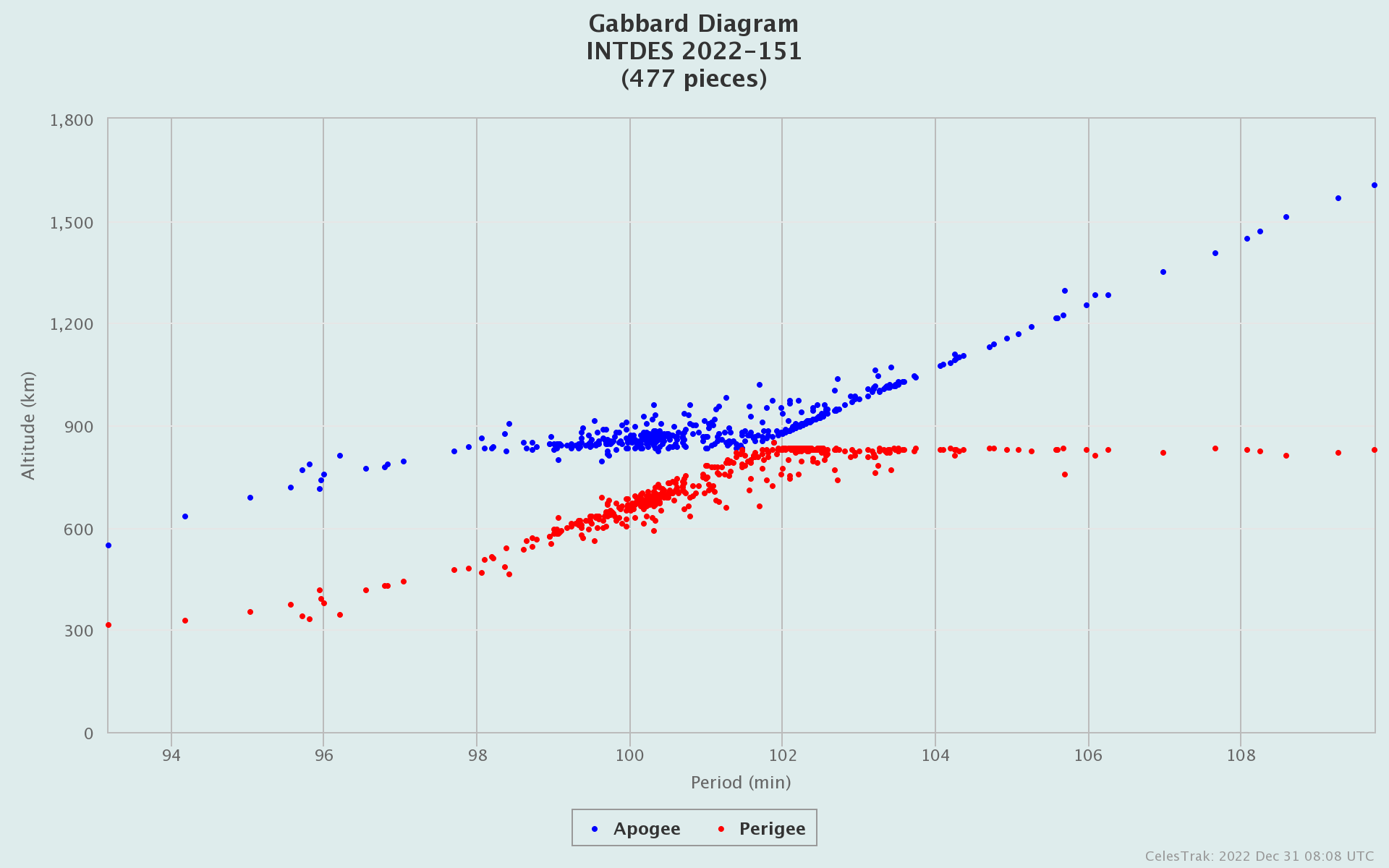
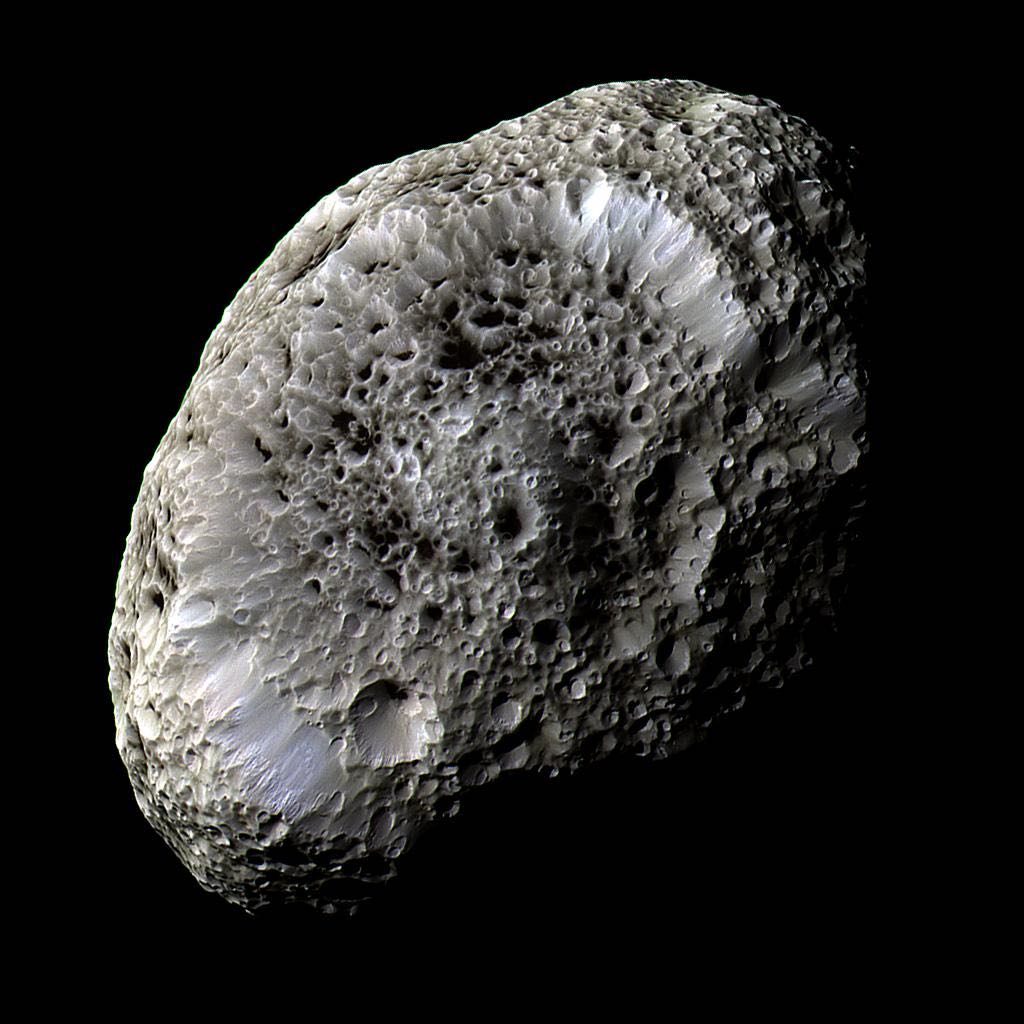
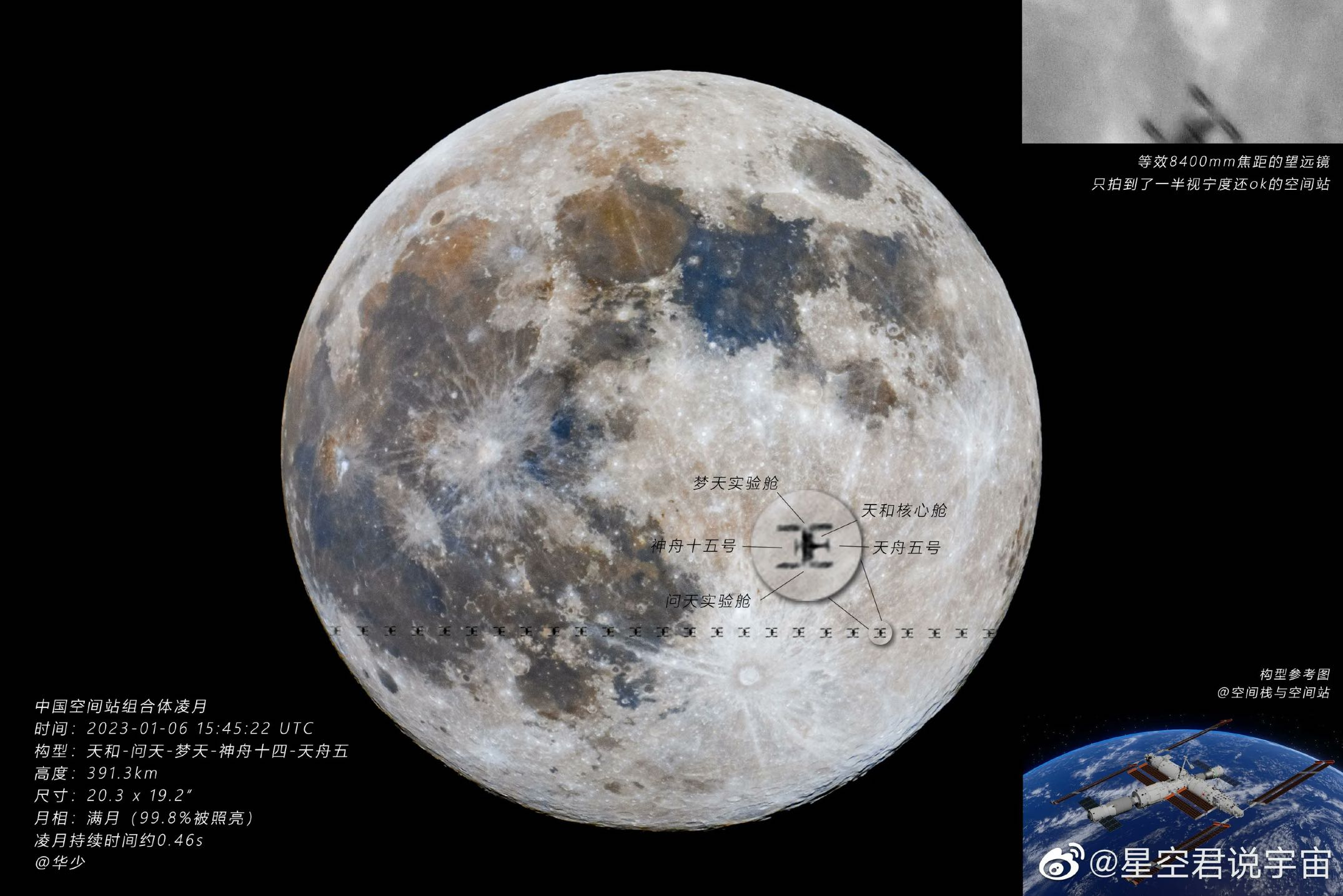
Pics o' the week includes China's 2022 launches, Apollo 11, Buran, Long March 6A debris, Hyperion and the Chinese Space Station transiting the Moon.
Composite image of all Chinese launches in 2022.
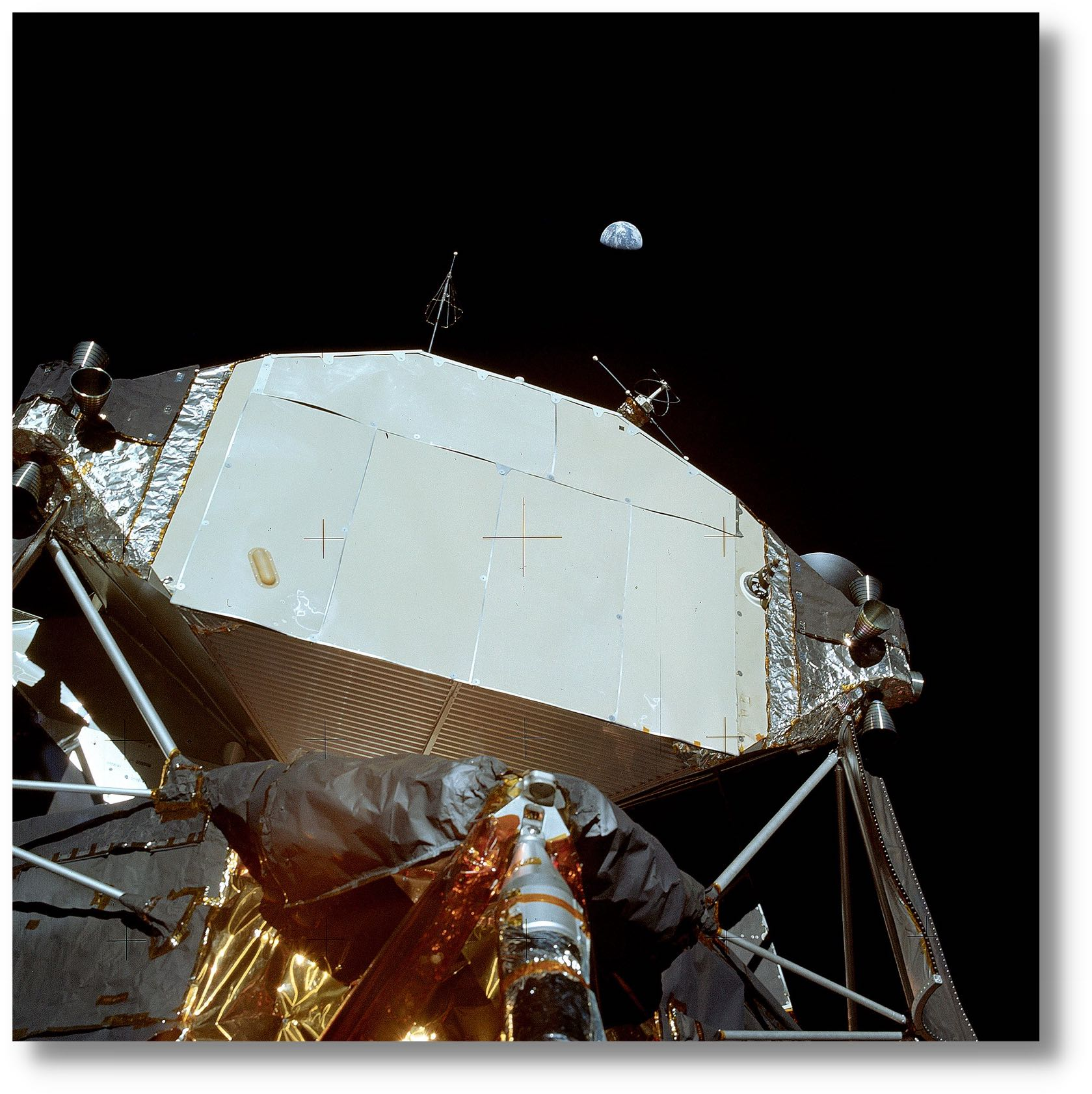
Apollo 11 lunar ascent module and Earth. The caption notes the ascent module was about five metres from the camera while Earth was approximately 384,400,000 metres away.
Buran just after touchdown following its orbital flight, accompanied by a MiG-25 chase plane.
Not Aging Well… debris from Long March 6A now numbers 477.
Hyperion, Saturn’s largest non-spherical moon, approximately 410 x 260 x 220km.
Chinese Space Station transiting the Moon.

Flash Insider
Subscribe to unlock full access to this Issue and the complete Flash archive.
Subscribe Now Already Subscribed? Log In