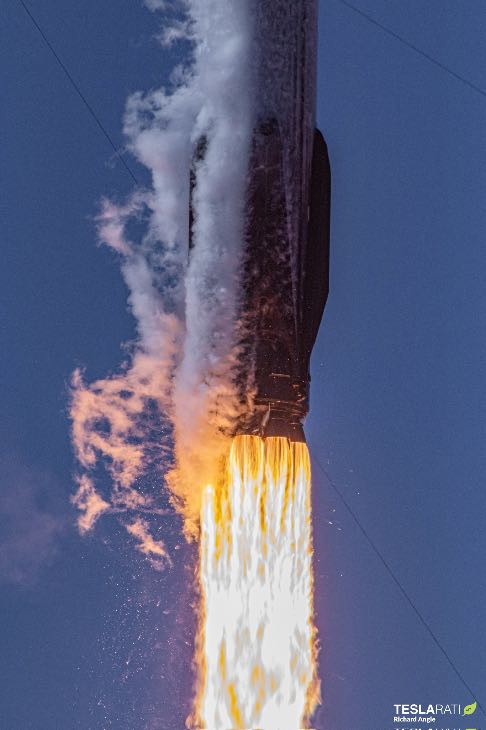
13 Jan 2022: In its third dedicated rideshare mission, SpaceX delivered 105 satellites to a 525-kilometer Sun Synchronous Orbit (SSO). SpaceX’s rideshare program aims to provide frequent, economical access to popular orbits while also giving customers schedule flexibility. The advertised price was as low as $1 million for a 200kg payload headed to SSO. Launch Video.
– Planet, Inc. launched 44 SuperDove Earth-observation satellites as part of its constellation. Planet established contact with all 44 spacecraft, many within two minutes of final deployment.
– Kepler Communications launched six communications satellites as it works toward global small-satellite networking.
– Capella launched Capella 7 and 8 to expand its very-high-resolution, low-latency synthetic-aperture-radar constellation.
– Umbra Space launched its second commercial SAR satellite, Umbra-02. The company planned a constellation of 24 such spacecraft.
– Planet’s approximately 200-satellite fleet had collected an average of about 1,700 images for every location on Earth’s landmass over the preceding decade. SuperDove Flock 4 satellites were described as capable of roughly 1.2 million images per day with reported maximum resolution around 50cm.
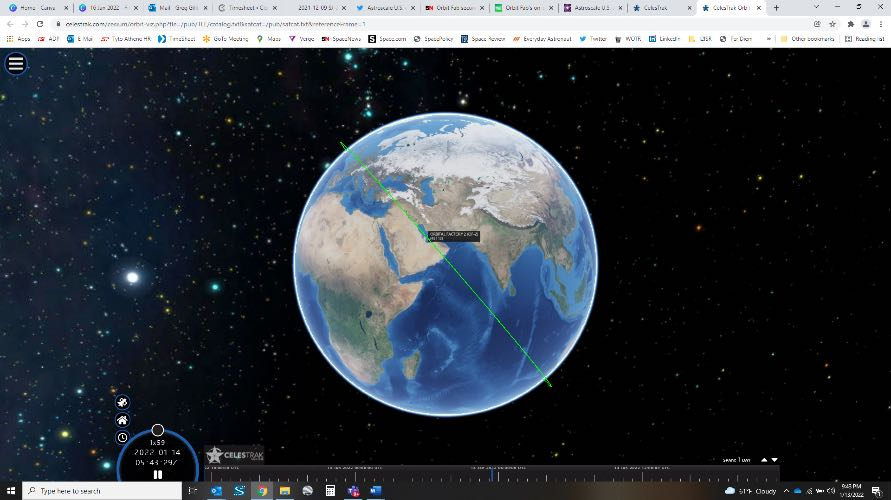
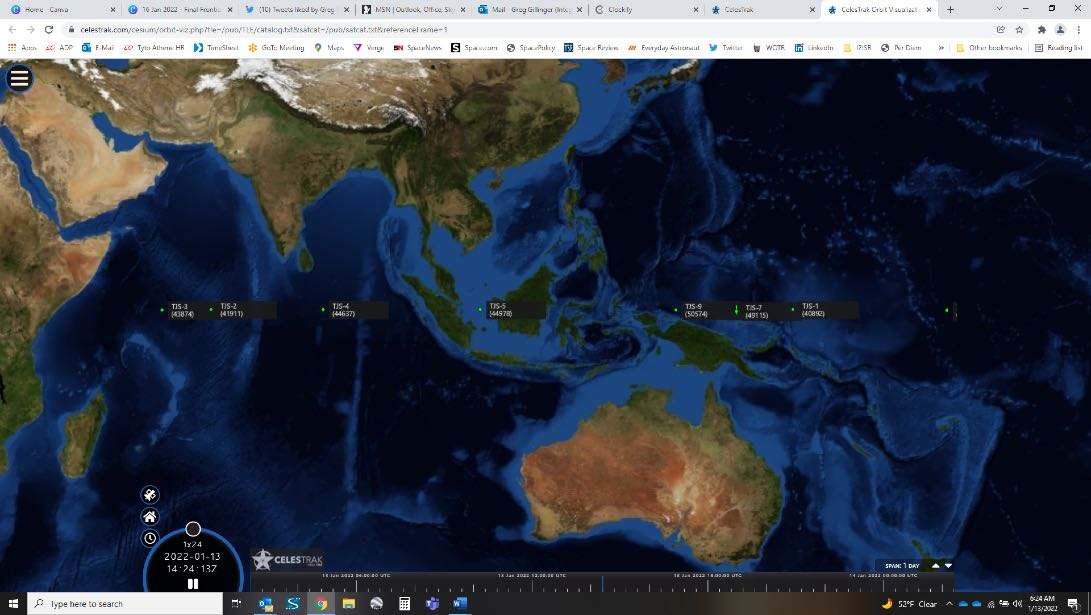
Transporter-3 was the first of three dedicated rideshare missions scheduled for 2022. Launching very large numbers of satellites on one vehicle creates tracking and identification challenges; by 15 Jan only eight of the 105 objects had been added to the public catalog and were still listed as “unknown” for owner/operator.
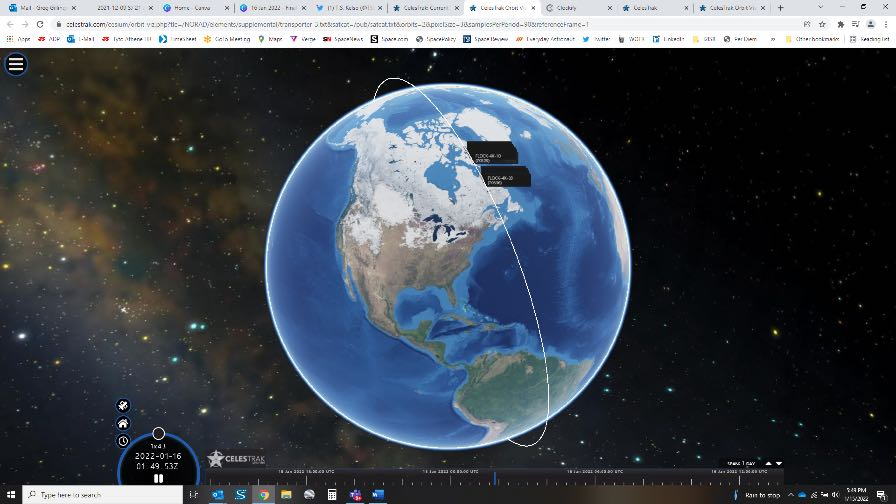
Transporter-3 orbit with SuperDoves.